SHOWCASE

/ ARTIST / 2026

ARTIST: Lerluck
COUNTRY: Thailand
CONTACT: facebook.com/luckertigy
instagram.com/luckertigy
tiktok.com/@luckertigy
I have finally discovered that handmade painting and crafting are my Ikigai. I am deeply passionate about four elements:
1. Japanese Engimono: Auspicious animals that act as lucky charms, attracting positive energy and protecting people from negativity.
2. Japanese Gashapon / Folk Toys
3. Master Studies or Reproductions: Artworks by Western artists influenced by Japonisme.
4. Fauvism–Fluorescent Color Style
By combining these four passions, I created this "Healing Series." Every piece is entirely handcrafted—from sketching to painting with poster and acrylic colors on paper—completely free of digital tools. Working on this series brings me immense joy and excitement.
* "Japonisme" refers to the popularity and influence of Japanese arts and design among certain Western artists during the 19th century and beyond.

ในที่สุด ฉันก็ได้ค้นพบว่าการวาดรูประบายสี (ด้วยมือ) และการทำงานคราฟท์ (ด้วยมือ) คือ Ikigai ของฉัน. ฉันหลงใหลใน 1) Japanese Engimono (สัตว์มงคลที่เป็นเครื่องรางนำโชค ดึงดูดพลังบวก และ/หรือ ปกป้องผู้คนจากพลังงานลบ), 2) Japanese Gashapon/Folk Toys ,3) Master Studies or Reproduction (ผลงานศิลปินตะวันตกในกลุ่ม Japonisme*) และ 4) สีสไตล์ Fauvism Fluorescent; ดังนั้นฉันจึงนำ 4 อย่างนี้มารวมกัน แล้วสร้างสรรค์ผลงาน Healing Series ชุดนี้ขึ้นมา ด้วยการร่างภาพแล้วลงสีโปสเตอร์และสีอะคริลิคบนกระดาษด้วยมือ (ไม่ใช่ Digital). ฉันสนุกและกระตือรือร้นมากกับการทำงานซีรี่ส์นี้.

* “Japonisme” คือความนิยมและอิทธิพลของ Japanese Arts & Design ในหมู่ศิลปินตะวันตกจำนวนหนึ่งในช่วงศตวรรษที่ 19 และหลังจากนั้น

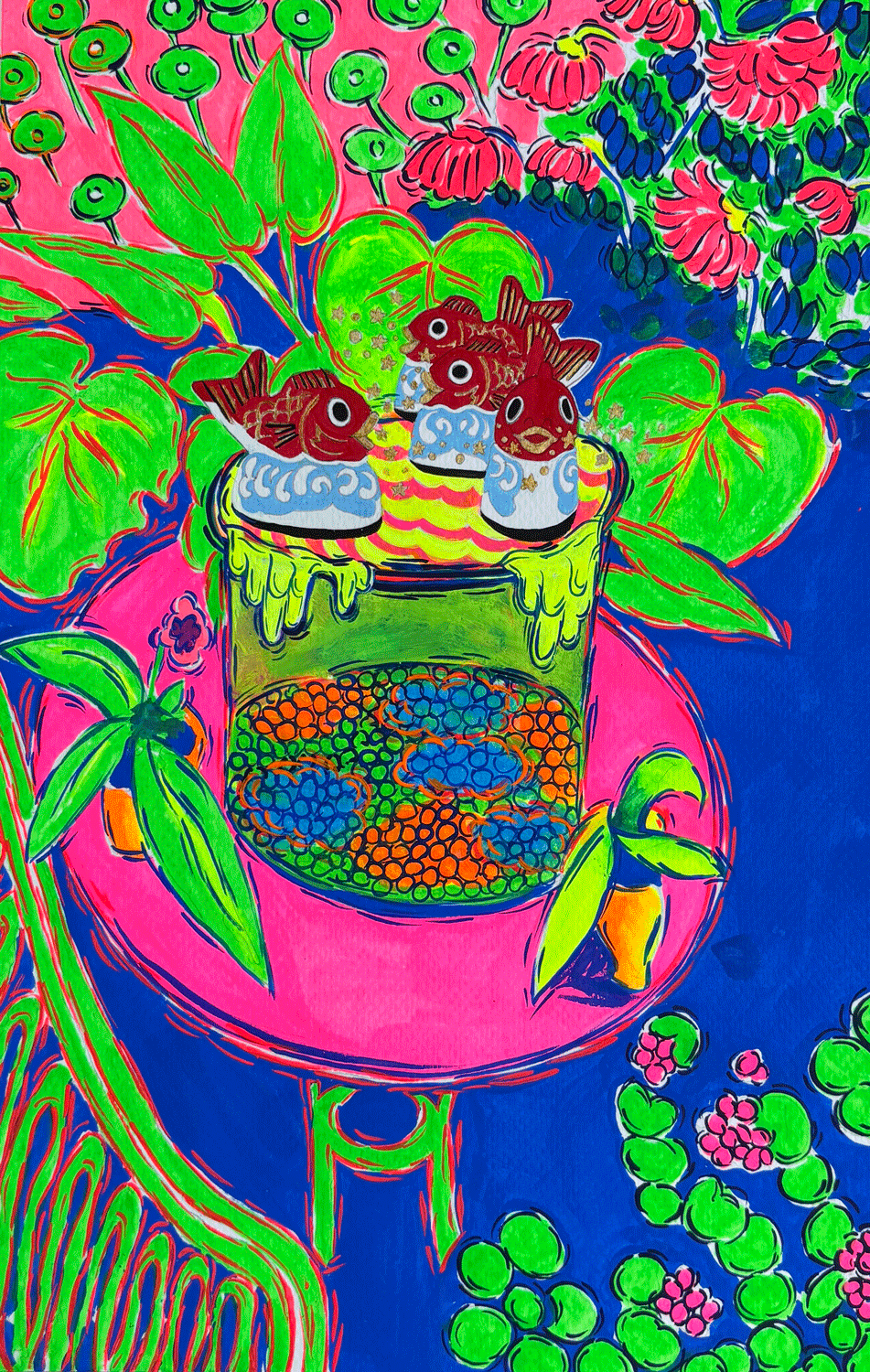
“Ganman no Tai” in 'Goldfish'

Umbrella concept:
Series: "Engimono Animals Gashapon x Master Studies"
• 10 Engimono Animals / Folk Toys (representing Eastern spirituality) deconstruct the gloom and negative energy of classic Western masterpieces by 9 Japonisme artists, healing them with auspicious symbolism and positive energy.
• Fauvist-style colors transform the vibe of the original masterpieces from negativity or stagnation into positive energy—or conversely, intensify the existing negative energy—to emphasize the new healing context introduced by the Engimono Animals.

** "Japonisme" was not merely a fashion trend, but an "antidote" that liberated and deconstructed the monotony and rigidity of Western art at the time, ushering in a world of novelty, fluidity, simplicity, and emotional depth.

Description of Artwork 1/10:
In Henri Matisse’s original painting Goldfish (1911), two negative elements exist: the trapped goldfish and the lonely, empty room.
The Healing:
1. The trapped goldfish—confined in a narrow glass bowl, viewing a distorted world and cut off from the surrounding nature—is replaced by "Ganman no Tai" (the Red Sea Bream of Wish Fulfillment). Placed at the surface of the bowl's opening, the glass bowl now serves as a sacred altar for the fish. Leaping dynamically above indigo waves—symbolizing abundant vitality and triumph over adversity—the Red Sea Bream heals and expels negative energy by granting smooth, flawless success to all life's aspirations.
o The gold stars blowing from the fish's mouth signify the granting of wishes.
2. Matisse’s original lonely room is transformed by an explosion of positive energy through a Fauvism-Fluorescent color palette. Acting like a radiant light, these colors symbolize the miracle of the Red Sea Bream. The atmosphere shifts into a celebration, awakening the gloomy spirit of Western art to welcome the auspiciousness and joy brought by this Eastern symbol.

แนวคิดรวบยอดของซีรีส์ผลงาน 10 ชิ้น:
Series “Engimono Animals Gashapon x Master Studies”
• Engimono Animals Gashapon / Folk Toys 10 ตัว (ตัวแทนแห่งจิตวิญญาณของโลกตะวันออก) ได้รื้อถอน (Deconstruct) ความหดหู่/พลังงานลบของศิลปะตะวันตกเติม (ภาพ Master ของศิลปินในกลุ่ม Japonisme** 9 คน) แล้วเยียวยา (Healing) มันด้วยความหมายมงคล/พลังงานบวก”
• สีสไตล์ ‘Fauvism’ เปลี่ยน Vibe ของภาพ Master เดิม จาก พลังงานลบ หรือ ความนิ่งงัน/เมินเฉย ให้กลายเป็นพลังงานบวกหรือไม่ก็เป็นตัวเร่งให้พลังงานลบในภาพเดิมทวีความรุนแรงขึ้น ทั้งหมดนี้ก็เพื่อ ‘ขับเน้น’ บริบทใหม่ของการเยียวยา (Healing) โดย Engimono Animals นั่นเอง

คำอธิบายผลงาน Artwork 1/10:
ในภาพ Goldfish (ค.ศ.1911) ดั้งเดิมของ Henri Matisse นั้น มี Negative meaning 2 อย่างคือ ปลาทองถูกขัง และ ห้องที่อ้างว้าง

การเยียวยา (Healing):
1. ปลาทองสีแดงในภาพเดิม ถูกขังในโหลแก้วแคบๆ มองโลกผ่านโหลแก้ว (โลกจึงถูกบิดเบือน และไม่เคยได้สัมผัสใบไม้ดอกไม้ที่อยู่ล้อมรอบมัน) ปลาทองถูกแทนที่ด้วย “Ganman no Tai” (ปลาทรายแดงแห่งความสมปรารถนา) ที่อยู่บนผิวน้ำที่ปากโหล - ตอนนี้โหลแก้วจึงทำหน้าที่เหมือนแท่นบูชาความศักดิ์สิทธิ์ของปลาทรายแดง - ปลาทรายแดงที่กำลังกระโดดโต้คลื่นสีฟ้าคราม (ซึ่งสื่อถึงพลังชีวิตที่ล้นเหลือและความสำเร็จในการฝ่าฟันอุปสรรค) ได้มาเยียวยา (Healing) / ขับไล่พลังงานลบ ด้วยการดลบันดาลให้ทุกความปรารถนาในชีวิต ประสบความสำเร็จอย่างราบรื่นและสมบูรณ์แบบ
• ดาวทองที่พ่นออกจากปากของปลาทรายแดง เป็น Sign ของการดลบันดาลความสมปรารถนา

2. ห้องเดิมของ Matisse ที่อ้างว้างเงียบเหงา ได้ถูกเปิดสวิตช์ ระเบิดพลังงานบวกด้วยสีสันสไตล์ Fauvism - Fluorescent ที่เหมือนแสงสว่าง สื่อปาฏิหาริย์ของปลาทรายแดง บรรยากาศเปลี่ยนเป็นเฉลิมฉลอง (Celebration) ที่ปลุกจิตวิญญาณที่หดหู่ของศิลปะตะวันตก ให้ตื่นขึ้นมารับความมงคลและความปิติยินดีจากตัวแทนของโลกแห่งตะวันออก (คือปลาทรายแดงนั่นเอง)
“Miharu Ao-goma” in 'Before the Race'

Umbrella concept:
Series: "Engimono Animals Gashapon x Master Studies"
• 10 Engimono Animals / Folk Toys (representing Eastern spirituality) deconstruct the gloom and negative energy of classic Western masterpieces by 9 Japonisme artists, healing them with auspicious symbolism and positive energy.
• Fauvist-style colors transform the vibe of the original masterpieces from negativity or stagnation into positive energy—or conversely, intensify the existing negative energy—to emphasize the new healing context introduced by the Engimono Animals.

** "Japonisme" was not merely a fashion trend, but an "antidote" that liberated and deconstructed the monotony and rigidity of Western art at the time, ushering in a world of novelty, fluidity, simplicity, and emotional depth.

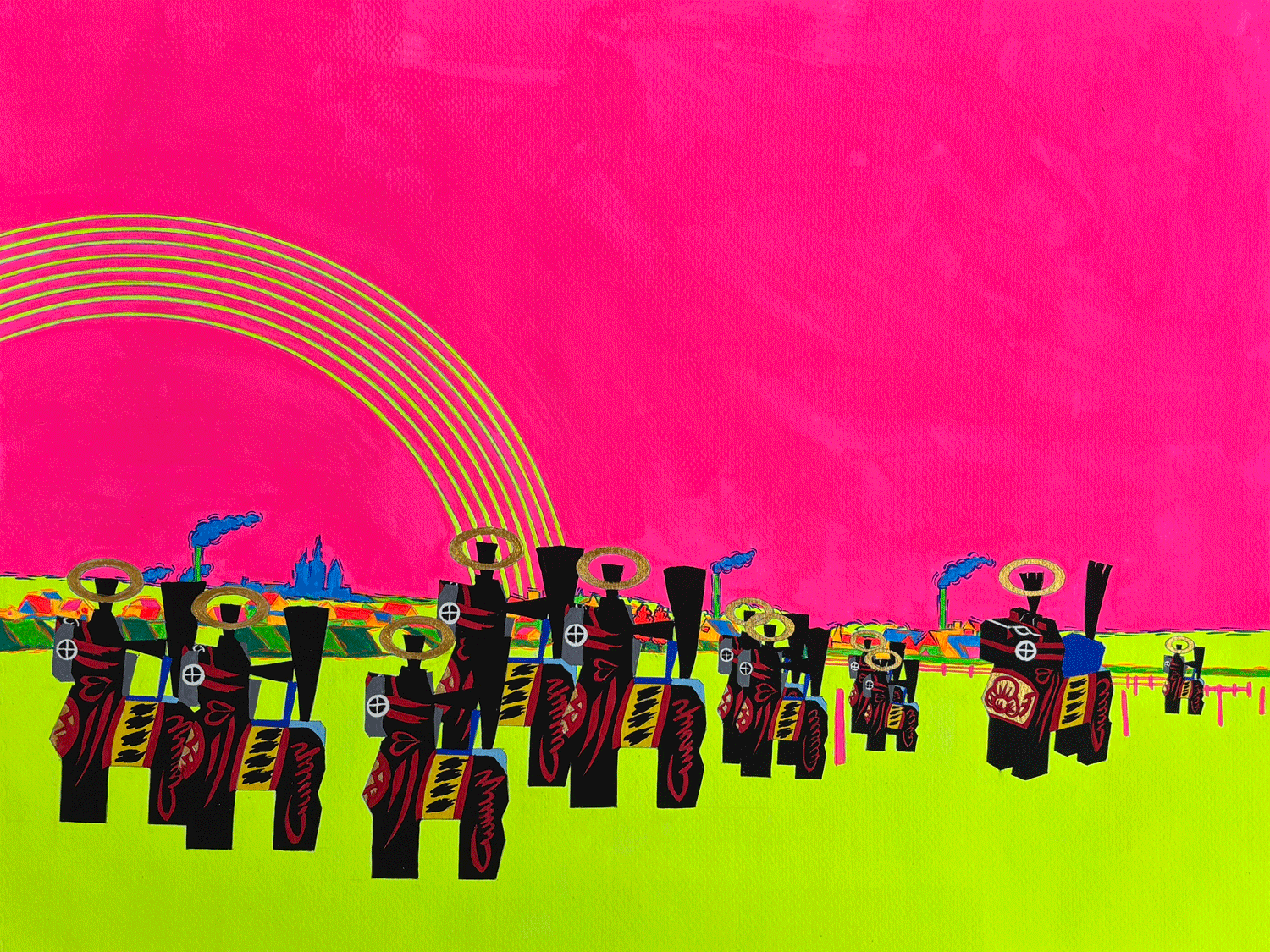
Description of Artwork 2/10:
In Edgar Degas’ original painting Before the Race (1872), three negative elements exist: pre-race tension, a gloomy and muddy grass field, and a hazy sky polluted by the Industrial Revolution.
The Healing:
1. The racehorses and jockeys (symbols of capitalist gambling) who are anxious and tense before the race are replaced by "Miharu Ao-goma" (the auspicious wooden horse of soaring progress). Free from human control and crowned with golden halos, they represent a parade of awakened celestial beings. They heal and banish negative energy with determination, resilience, and an unstoppable drive to charge forward.
2. The original muddy, gloomy grass field is transformed by a Fauvism–Fluorescent Lemon palette, turning it into a sacred land full of vital energy.
3. The original hazy sky (polluted by factory smoke in the background) is converted into positive energy using Fauvism-Fluorescent colors:
o The glowing Fluorescent Pink sky and 8 hurdles (a sign of unlimited hope) evoke a surreal dimension and the power of bright aspirations.
o The hurdles (now a positive element) act as a bridge between the human world and heaven. They contrast with the negative hurdles in the original painting that symbolized competitive exploitation. These heavenly hurdles guide the "Miharu Ao-goma" to lead humans away from the rat race and toward a rainbow path of hope and new beginnings.
o The 8 hurdles leverage the Eastern symbolism of the number 8, representing infinite prosperity.

ในภาพ Before the Race (ค.ศ.1872) ดั้งเดิมของ Edgar Degas มี Negative meaning 3 อย่างคือ ความตึงเครียดก่อนแข่งขัน สนามหญ้าสีโคลนหม่นหมอง และท้องฟ้ามัวซัวยุคปฏิวัติอุตสาหกรรม

การเยียวยา (Healing):
1. ม้าแข่งและจ๊อกกี้ในภาพเดิม (เครื่องมือของการพนันขันต่อของระบบทุนนิยมตะวันตก) ที่กระวนกระวาย ตึงเครียด ก่อนการแข่งขัน ถูกแทนที่ด้วย “Miharu Ao-goma” (ม้าไม้มงคลแห่งการพุ่งทะยาน) ที่ไม่มีมนุษย์ควบคุม – วงแหวนสีทองเหนือหัวม้าไม้ สื่อให้เห็นว่า นี่คือขบวนพาเหรดของทูตสวรรค์ผู้ตื่นรู้ ที่มาเยียวยา (Healing) / ขับไล่พลังงานลบ ด้วยความแน่วแน่ เด็ดเดี่ยว และทรหด อดทน ดั่งม้าศึกที่พร้อมจะควบตะบึงและพุ่งทะยานไปข้างหน้าอย่างไม่มีใครจะหยุดยั้งได้

2. สนามหญ้าสีโคลนหม่นหมองในภาพเดิม ถูกให้สีสัน Fauvism – Fluorescent Lemon จึงกลายเป็นผืนดินศักดิ์สิทธิ์ที่เปี่ยมด้วยพลังงานชีวิต

3. ท้องฟ้ามัวซัวในภาพเดิม (สังเกตจากควันพิษจากปล่องโรงงานอุตสาหกรรมที่ background) ถูกเปลี่ยนให้เป็นพลังงานบวกด้วยสี Fauvism Fluorescent
• ท้องฟ้า สีชมพูเรืองแสง Fluorescent Pink และรุ้ง 8 เส้น (sign of unlimited hope) สื่อถึงมิติเหนือจริง และพลังแห่งความหวังที่สว่างไสว
• รุ้ง (Positive Element) คือสะพานเชื่อมโลกมนุษย์และสวรรค์ (เปรียบเทียบกับ Negative Element – ลู่วิ่งที่มีรั้วกั้นทางขวาของภาพเดิม ที่สื่อถึงการแข่งขันอย่างเอาเป็นเอาตายเพื่อผลประโยชน์) ลู่วิ่งรุ้งจากสวรรค์สำหรับ “Miharu Ao-goma” (ม้าไม้มงคลแห่งการพุ่งทะยาน) ให้นำทางมนุษย์ให้หลุดพ้นจากเกมการแข่งขัน เพื่อทะยานไปตามเส้นทางสายรุ้งแห่งความหวังและการเริ่มต้นใหม่
• รุ้งมี 8 เส้น ซึ่งเลข 8 ตามสัญญะตะวันออกคือความรุ่งเรืองอย่างไม่มีที่สิ้นสุด

“Aka Fukurou” in 'Wheat Field with Crows'

Umbrella concept:
Series: "Engimono Animals Gashapon x Master Studies"
• 10 Engimono Animals / Folk Toys (representing Eastern spirituality) deconstruct the gloom and negative energy of classic Western masterpieces by 9 Japonisme artists, healing them with auspicious symbolism and positive energy.
• Fauvist-style colors transform the vibe of the original masterpieces from negativity or stagnation into positive energy—or conversely, intensify the existing negative energy—to emphasize the new healing context introduced by the Engimono Animals.

** "Japonisme" was not merely a fashion trend, but an "antidote" that liberated and deconstructed the monotony and rigidity of Western art at the time, ushering in a world of novelty, fluidity, simplicity, and emotional depth.

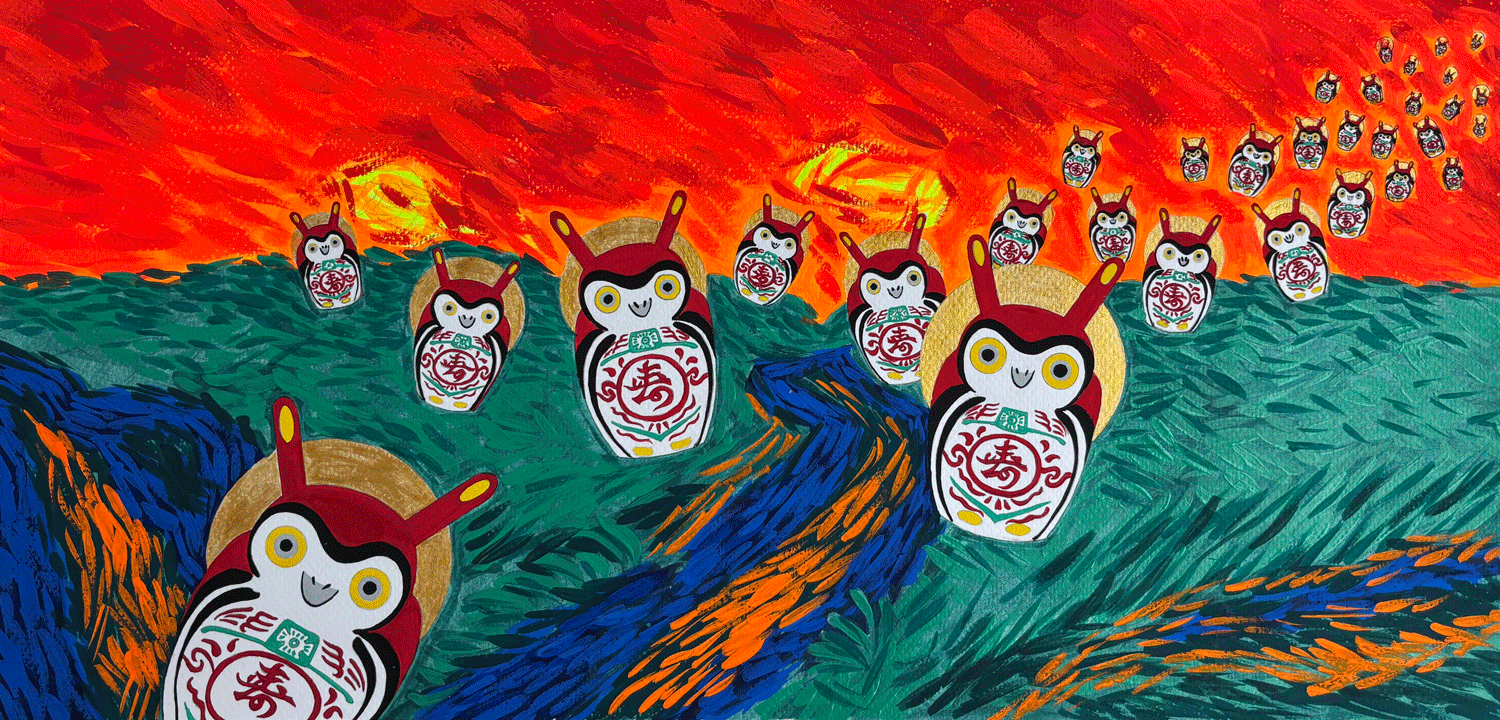
Description of Artwork 3/10:
Vincent van Gogh’s original Wheat Field with Crows (1890)—one of the darkest and most oppressive paintings in Western art history—is filled with gloom, isolation, and a shattering state of mind before his final days. It contains two negative elements: a turbulent, dark sky and a flock of ominous crows.
The Healing:
1. The original turbulent, dark sky is visually intensified through a Fauvism–Fluorescent palette. A blazing Fluorescent Orange sky hangs like an engulfing fire over a terrifying, poison-soaked Emerald Green wheat field.
2. The original ominous crows—flying low in panic, symbolizing the shadow of death, despair, and spiritual collapse—are replaced by "Aka Fukurou" (the Red Owls: Lighthouses of the Soul). Amidst the darkness and despair, this flock of red owls arrives to heal and banish negative energy. They destroy evil and death, granting longevity through the auspicious red kanji 寿 (Kotobuki – Longevity) on their chests.
o Owls see perfectly in the dark. With wide-open eyes and the power of vermilion, these red owls act as spiritual lighthouses that watch over and repel misfortune. The gold halo behind their heads represents the light of Dhamma, sanctity, and the sun of wisdom.
o The owls flying in signifies that good fortune is arriving.

ในภาพ Wheat Field with Crows (ค.ศ.1890) ดั้งเดิมของ Vincent van Gogh (ซึ่งเป็นหนึ่งในภาพเขียนที่มืดหม่น และกดดันที่สุดในประวัติศาสตร์ศิลปะตะวันตก) อัดแน่นไปด้วยความหดหู่ โดดเดี่ยว และสภาวะจิตใจที่กำลังแตกสลาย ก่อนถึงวาระสุดท้ายของชีวิต มี Negative meaning 2 อย่างคือ ท้องฟ้าปั่นป่วนมืดหม่น และฝูงอีกาลางร้าย

การเยียวยา (Healing):
1. ท้องฟ้าปั่นป่วนมืดมนในภาพเดิม ยิ่งทวีความรุนแรงเชิงลบด้วยสีสันสไตล์ Fauvism – Fluorescent; ท้องฟ้าสีแสดเพลิง (Fluorescent Orange) (เหมือนไฟกำลังโหมกระหน่ำปกคลุมทุ่งข้าวสาลีสีเขียวอาบยาพิษ (Emerald Green) ที่น่าสะพรึง

2. ฝูงอีกาลางร้ายในภาพเดิม กำลังตระหนกบินโฉบต่ำ เปรียบเสมือนเงาแห่งความตาย ความสิ้นหวัง และการพังทลายของจิตวิญญาณ ถูกแทนที่ด้วย “Aka Fukurou” (นกฮูกสีแดง:ประภาคารแห่งจิตวิญญาณ) - ท่ามกลางความมืดมนและสิ้นหวัง ฝูงนกฮูกแดงบินมาเยียวยา (Healing) / ขับไล่พลังงานลบ ด้วยการทำลายล้างสิ่งชั่วร้ายและความตาย แล้วต่อชีวิตให้ยืนยาว ด้วยอักษรคันจิมงคลสีแดงที่หน้าอก 寿 (Kotobuki – อายุยืนยาว)
• นกฮูกเป็นสัตว์ที่มองเห็นได้ดีในเวลากลางคืน มีดวงตาที่เบิกกว้างและพลังแห่งสีแดงชาด นกฮูกแดงจึงเปรียบได้กับ ประภาคารแห่งจิตวิญญาณ ที่คอยสอดส่องและขับไล่สิ่งอัปมงคล, วงกลมสีทองด้านหลังหัวของนกฮูกแดง คือรัศมีแห่งธรรม (Halo) แสดงถึงความศักดิ์สิทธิ์และดวงอาทิตย์แห่งปัญญาที่สองสว่าง
• การที่นกฮูกแดงกำลังบินเข้ามาหา = โชคลาภกำลังมาเยือน

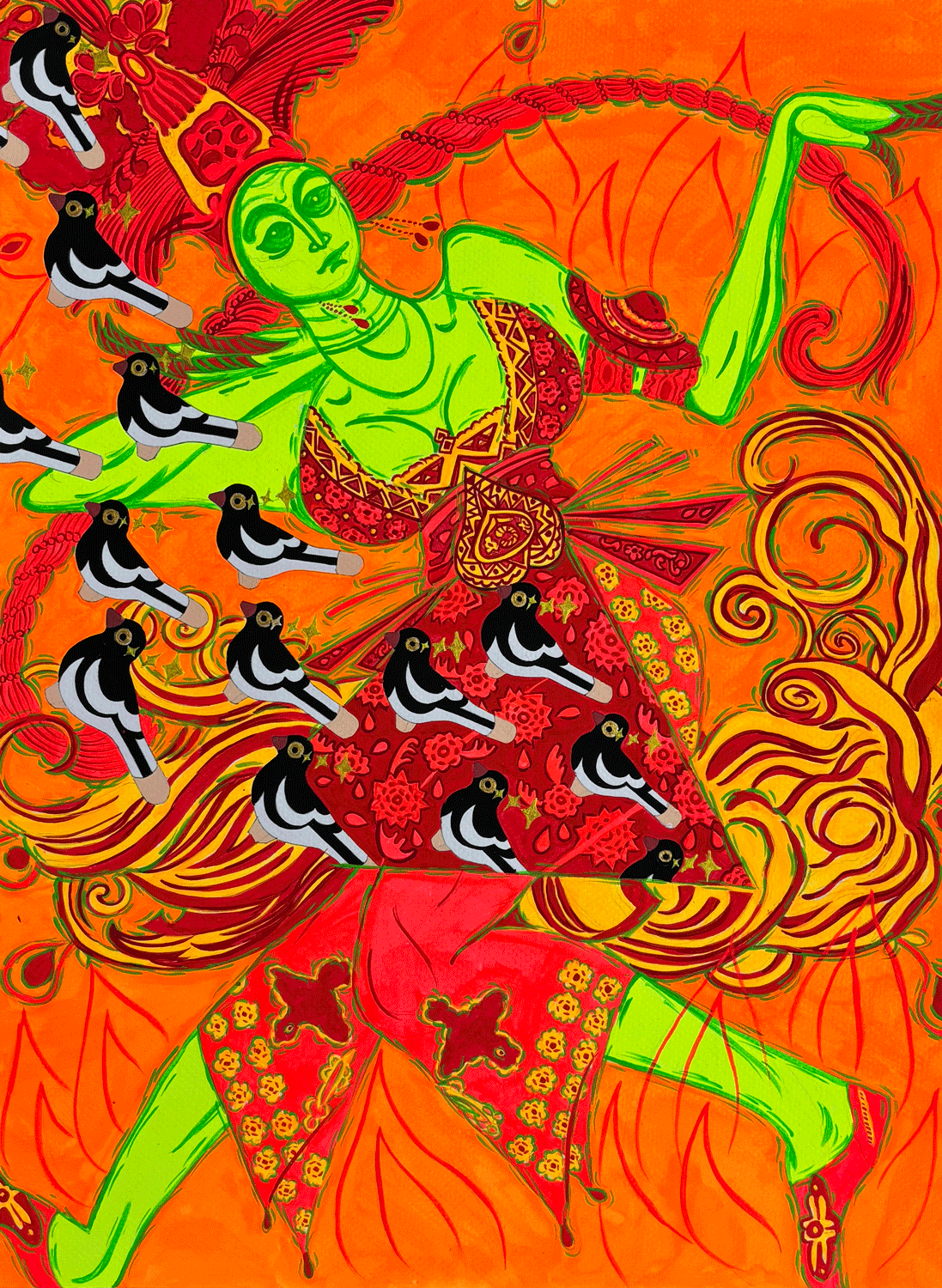
“Ozaki Ningyo – Kachigarasu” in 'Costume Design for The Firebird'

Umbrella concept:
Series: "Engimono Animals Gashapon x Master Studies"
• 10 Engimono Animals / Folk Toys (representing Eastern spirituality) deconstruct the gloom and negative energy of classic Western masterpieces by 9 Japonisme artists, healing them with auspicious symbolism and positive energy.
• Fauvist-style colors transform the vibe of the original masterpieces from negativity or stagnation into positive energy—or conversely, intensify the existing negative energy—to emphasize the new healing context introduced by the Engimono Animals.

** "Japonisme" was not merely a fashion trend, but an "antidote" that liberated and deconstructed the monotony and rigidity of Western art at the time, ushering in a world of novelty, fluidity, simplicity, and emotional depth.

Description of Artwork 4/10:
In Léon Bakst’s original Costume Design for The Firebird (1910), the negative meanings lie within the burning Firebirds and the anxious, distressed character.
The Healing:
1. The original Firebirds—trapped within a triangular space—are replaced by "Ozaki Ningyo – Kachigarasu" (the Magpie of Good Tidings). Guided by its sacred whistle, the magpie escapes captivity and flies to the rhythm of nature's melody, bringing good news and new opportunities.
The magpie heals and dispels negative energy. Since its name (Kachigarasu) sounds like the word for "victory" in Japanese, it brings empowering energy to the anxious character who is being scorched by the intense flames, soothing their distress and exhaustion.
o The magpie's golden eyes and 4-point star sparks (Sparkle of Epiphany) act as a "Wink of Hope" from heaven, encouraging the character who is dancing exhaustedly amidst the raging fire.
2. Fauvism Color Palette
o 2.1) Fluorescent Orange intensifies the fire engulfing the character.
o 2.2) Fluorescent Green represents the character cooling down and finding peace after receiving the miracle of the "Ozaki Ningyo – Kachigarasu."

ในภาพ ภาพ Costume Design for The Firebird (ค.ศ.1910) ดั้งเดิมของ Léon Bakst นั้น มี Negative meaning คือ ฝูงนกไฟ (Firebirds) และตัวละครที่วิตกกังวล

การเยียวยา (Healing):
1. ฝูงนกไฟ (Firebirds) ในภาพเดิม ที่ถูกกักขังอยู่ในพื้นที่สามเหลี่ยม ได้ถูกแทนที่ด้วย “Ozaki Ningyo – Kachigarasu” (นกขุนแผนส่งข่าวดี) เสียงนกหวีดศักดิ์สิทธิ์ของมัน ช่วยนำพาให้มันพุ่งออกมาจากพื้นที่กักขัง มันบินไปตามท่วงทำนองเพลงแห่งธรรมชาติ นำพาสารแห่งข่าวดีและโอกาสใหม่, นกขุนแผนส่งข่าวดี ช่วยเยียวยา (Healing) / ขับไล่พลังงานลบ ด้วยชื่อของมันที่พ้องเสียงกับคำว่า ชัยชนะ ทำให้มันทรงพลังมายังตัวละครที่กำลังวิตกกังวลและถูกแผดเผาด้วยเปลวเพลิงอันร้อนแรงของฝูงนกไฟ ให้คลายความร้อนรุ่มและเหนื่อยล้า
• ดวงตาสีทองและประกายดาว 4 แฉก (Sparkle of Epiphany) ของนกขุนแผน ทำหน้าที่เป็นการขยิบตาให้กำลังใจจากสวรรค์ (Wink of Hope) ให้กับตัวละครที่กำลังเต้นอย่างเหนื่อยล้า ท่ามกลางความเร่าร้อนของเปลวเพลิง

2. สีสันสไตล์ Fauvism
2.1) สีแสดเพลิง (Fluorescent Orange) ทวีความรุนแรงของเปลวเพลิงที่กำลังเผาผลาญตัวละคร
2.2) สีเขียวนีออน (Fluorescent Green) สื่อถึงตัวละครที่เย็นสบายขึ้น หลังจากได้รับปาฏิหาริย์ของ “Ozaki Ningyo – Kachigarasu” (นกขุนแผนส่งข่าวดี)

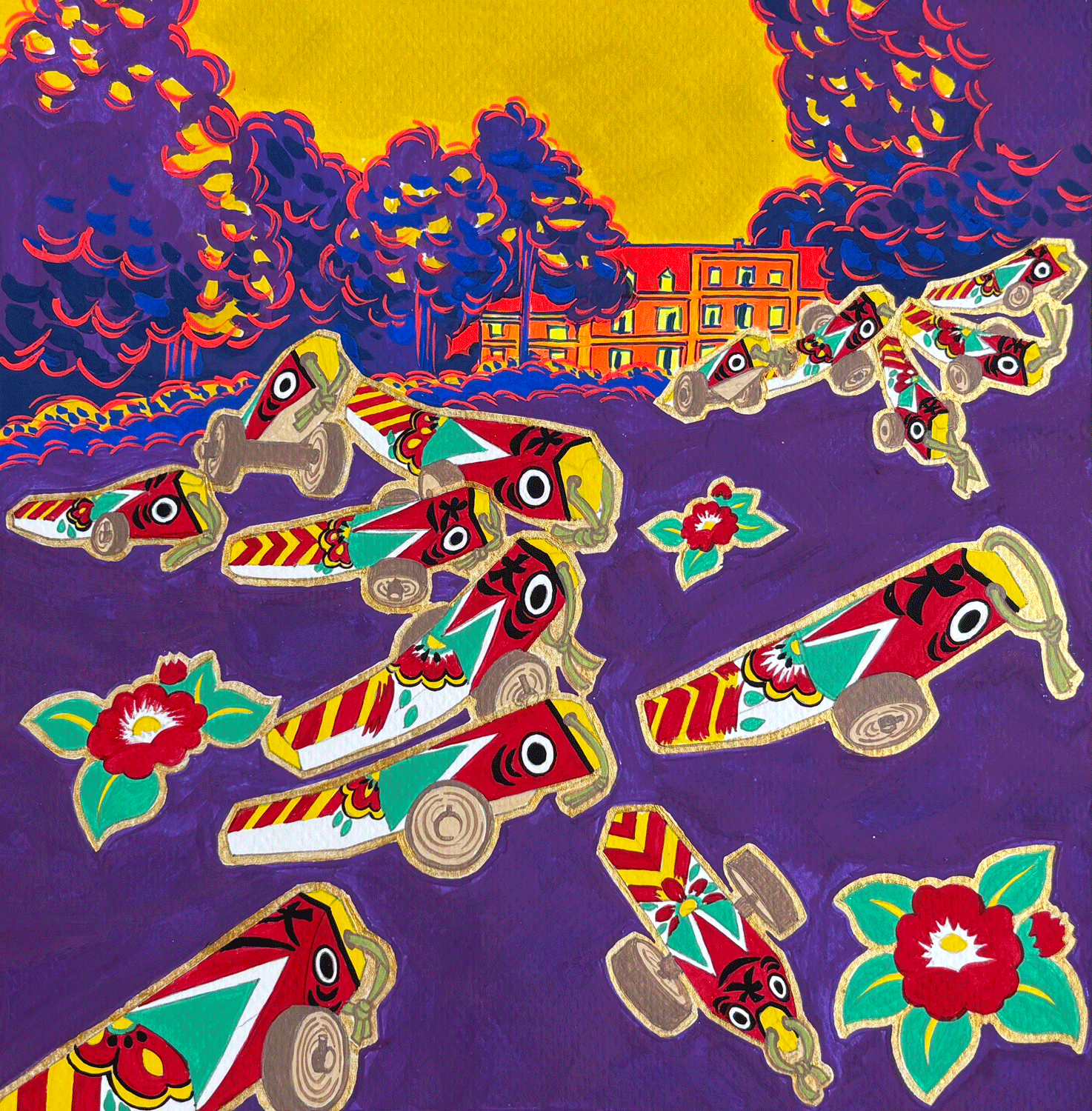
“Kiji-guruma & Tsubaki” in 'The Turkeys'

Umbrella concept:
Series: "Engimono Animals Gashapon x Master Studies"
• 10 Engimono Animals / Folk Toys (representing Eastern spirituality) deconstruct the gloom and negative energy of classic Western masterpieces by 9 Japonisme artists, healing them with auspicious symbolism and positive energy.
• Fauvist-style colors transform the vibe of the original masterpieces from negativity or stagnation into positive energy—or conversely, intensify the existing negative energy—to emphasize the new healing context introduced by the Engimono Animals.

** "Japonisme" was not merely a fashion trend, but an "antidote" that liberated and deconstructed the monotony and rigidity of Western art at the time, ushering in a world of novelty, fluidity, simplicity, and emotional depth.

Description of Artwork 5/10:
In Claude Monet’s original painting The Turkeys (1876), two negative elements exist: the capitalist’s mansion and the bustling flock of turkeys.
The Healing:
1. The original capitalist’s mansion (symbolizing capitalist greed): A Fauvism color palette is used to sharply expose and intensify this dark greed.
o Dark Purple: A light-absorbing color acting like a "black hole." It represents how the capitalist exploits the resources, sweat, and labor of the starving, war-torn citizens outside the fence to fuel their indoor luxury. The dark purple land and hedges surrounding the mansion signify a privileged domain isolated from the outside world by power and money.
o Cadmium Yellow: A sickening shade representing gold turned toxic (Toxic Wealth). This sky blanketed over the mansion reflects the capitalist’s insatiable greed.
o Fluorescent Orange: The color of the mansion itself (the epicenter of exploitation), symbolizing a thirst for power that burns through citizens' lives to generate capitalist wealth.
2. The original flock of turkeys (representing the vanity and status symbols of feudalism and capitalism) is replaced by "Kiji-guruma & Tsubaki" (the auspicious wooden pheasant cart and camellia flowers) to heal and banish negative energy:
o 2.1) The wooden wheels of the Kiji-guruma roll over the dark purple "black hole" land, crushing this closed, privileged domain to transform it into a fluid, public path for equal progress.
o 2.2) The sacred golden light radiating from the Kiji-guruma and the Camellia flowers repels and filters out the toxic light of the Cadmium Yellow sky, restoring calm and liberation from madness.
o 2.3) A Yin-Yang balance transforms the mansion's destructive fire into familial warmth:
 The auspicious red of the Camellia flowers reclaims the meaning of the Fluorescent Orange fire, converting it from a destructive blaze into warmth and love within the home.

ในภาพ The Turkeys (ค.ศ.1876) ดั้งเดิมของ Claude Monet มี Negative meaning 2 อย่างคือ คฤหาสน์ของนายทุน และฝูงไก่งวง (Turkeys) ที่เดินพลุกพล่าน

การเยียวยา (Healing):
1. คฤหาสน์ของนายทุนในภาพเดิม (ตัวแทนความโลภของนายทุน) : สีสันสไตล์ Fauvism ได้เร่งให้ความชั่วร้ายของนายทุนแจ่มชัดขึ้น
• สีม่วงเข้ม (Dark Purple): เป็นสีที่ดูดกลืนแสง เปรียบเหมือน ‘หลุมดำ’ ที่นายทุน (เจ้าของคฤหาสน์) สูบทรัพยากร หยาดเหงื่อ แรงงาน ของประชาชนนอกรั้วของคฤหาสน์ ที่กำลังอดอยากในภาวะสงคราม เข้ามาปรนเปรอความหรูหราอยู่ในคฤหาสน์ – ผืนดินและรั้วต้นไม้สีม่วงเข้มรอบคฤหาสน์ แสดงถึงดินแดนสิทธิพิเศษที่ถูกชุบด้วยอำนาจและเงินทองให้เป็นพื้นที่แยกขาดจากโลกภายนอก
• สีเหลืองแคดเมี่ยม (Cadmium Yellow): อันน่าสะอิดสะเอียน คือสีของทองคำที่กลายเป็นพิษ (Toxic Wealth) เป็นสีของท้องฟ้าที่ปกคลุมคฤหาสน์ สื่อถึงความโลภที่ไม่รู้จักพอของนายทุน
• สีแสดเพลิง (Fluorescent Orange): ของตัวคฤหาสน์ (จุดศูนย์กลางแห่งการสูบเลือดสูบเนื้อ) เป็นตัวแทนของความกระหายอำนาจ ที่กำลังเผาผลาญชีวิตประชาชน เพื่อเปลี่ยนเป็นความมั่งคั่งของนายทุน

2. ฝูงไก่งวง (Turkeys) ในภาพเดิม (ตัวแทนของความโอ้อวดทางชนชั้นของระบบศักดินาและทุนนิยม) ถูกแทนที่ด้วย “Kiji-guruma & Tsubaki” ไก่ฟ้ามงคลคู่กับดอกสึบากิ ได้เข้ามาเยียวยา (Healing) / ขับไล่พลังงานลบ;
2.1) ล้อไม้ของไก่ฟ้า Kiji-guruma แล่นไปบนผืนดินสีม่วงเข้ม (หลุมดำ) บดขยี้ดินแดนปิดของระบบสิทธิพิเศษ ให้กลายเป็นเส้นทางสาธารณะที่ลื่นไหล และก้าวไปข้างหน้าอย่างเท่าเทียม
2.2) แสงทองคำศักดิ์สิทธิ์ที่ล้อมรอบตัวไก่ฟ้า Kiji-guruma และดอกสึบากิ คอยสะกดและกรองแสงพิษ (ท้องฟ้าสีเหลืองแคดเมี่ยม) ให้สงบและหลุดพ้นจากความบ้าคลั่ง
2.3 สมดุลย์หยิน-หยาง เปลี่ยนเพลิงอัคคีของคฤหาสน์ให้กลายเป็นความอบอุ่นในครอบครัว
• สีแดงมงคลของดอกสึบากิ กำลังช่วงชิงความหมายของสีแสดเพลิง (Fluorescent Orange) (ไฟที่เผาผลาญ) ให้กลายเป็นความอบอุ่นและความรักในบ้านแทน
• Kiji-guruma คือไก่ฟ้าป่า ที่เป็นตัวแทนของการอุทิศตนเพื่อปกป้องครอบครัว

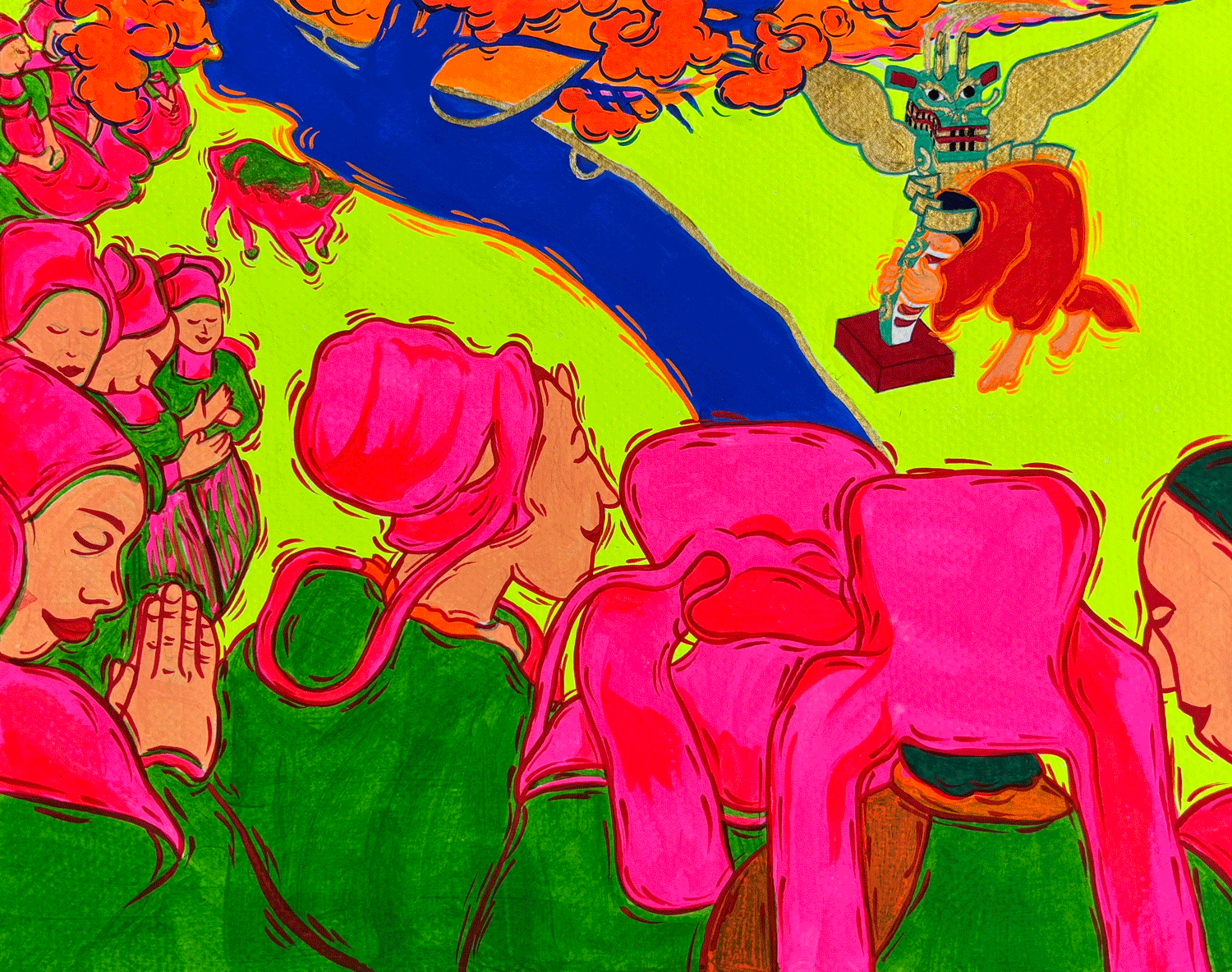
“Koshu no Fukuryu Dragon” in 'The Vision after the Sermon'

Umbrella concept:
Series: "Engimono Animals Gashapon x Master Studies"
• 10 Engimono Animals / Folk Toys (representing Eastern spirituality) deconstruct the gloom and negative energy of classic Western masterpieces by 9 Japonisme artists, healing them with auspicious symbolism and positive energy.
• Fauvist-style colors transform the vibe of the original masterpieces from negativity or stagnation into positive energy—or conversely, intensify the existing negative energy—to emphasize the new healing context introduced by the Engimono Animals.

** "Japonisme" was not merely a fashion trend, but an "antidote" that liberated and deconstructed the monotony and rigidity of Western art at the time, ushering in a world of novelty, fluidity, simplicity, and emotional depth.

Description of Artwork 6/10:
In Paul Gauguin’s original painting Vision after the Sermon (1888), the negative meanings lie within:
1. Jacob wrestling with the Angel (a Christian man fighting a celestial being to seek blessings and acceptance).
2. The oppressive vermilion field, filled with the religious fanaticism and strict doctrines of the Breton people.
The Healing:
1. The original combat between Jacob and the Angel is replaced by an embrace between Jacob and the "Koshu no Fukuryu Dragon" (the Dragon of Divine Blessing). This transforms the battleground into a sacred space of love and benediction, shifting Western feelings of guilt into the heartwarming protection of an Eastern deity—represented by the dragon spreading its wings to radiate sanctity and love to humanity.
2. The original vermilion field (negative energy) is converted into positive energy using a Fauvism–Fluorescent palette:
o Erasing the vermilion red—which signified fanaticism and spiritual pain—and replacing it with Fluorescent Lemon. This vibrant shade represents surging life force and awakening, turning conflict into a sacred, lively meadow.
o Erasing the black and white (representing religious austerity) of the nuns' attire, replacing it with Fluorescent Pink and Fluorescent Green to express a joyful, lively, and beautiful spirit—showing that spirituality and belief do not always require suffering or rigid austerity.
o Erasing the dry, dark brown tree trunk—which severed reality from the vision—and replacing it with a Fluorescent Blue bridge shimmering with gold light (reflected from the dragon's wings), symbolizing coolness, vitality, and connection rather than isolation.

ในภาพ The Vision after the Sermon (ค.ศ.1888) ดั้งเดิมของ Paul Gauguin มี Negative meaning คือ
1. Jacob wrestling with the Angel (ชายชาวคริสต์ต่อสู้กับทูตสวรรค์เพื่อแสวงหาคำอวยพรและการยอมรับ)
2. พื้นที่สีแดงชาดที่กดดัน เต็มไปด้วยความคลั่งไคล้ในหลักคำสอนศาสนาอันเข้มงวดของชาวเบรตอง (Breton)

การเยียวยา (Healing):
1. Jacob wrestling with the Angel (‘การต่อสู้’ ของชายชาวคริสต์กับทูตสวรรค์) ในภาพเดิม ถูกแทนที่ด้วย ‘การโอบกอดกัน’ ของ Jacob และ “Koshu no Fukuryu Dragon” (มังกรประทานพร) ทำให้ ‘สนามแห่งการต่อสู้’ ให้ถูกเปลี่ยนให้กลายเป็นพื้นที่ของความศักดิ์สิทธิ์และการประทานพรด้วยความรัก - เปลี่ยนจากความรู้สึกผิดบาปในใจแบบตะวันตก ให้กลายเป็นความอบอุ่นหัวใจและได้รับการปกป้องจากเทพตะวันออก (represent ด้วยมังกรที่กำลังขยายปีกแผ่รังสีความศักดิ์สิทธิ์และความรักให้มวลมนุษย์)

2. พื้นที่สีแดงชาด (พลังงานลบ) ถูกเปลี่ยนพลังงานบวกด้วยสีสันสไตล์ Fauvism - Fluorescent
• ลบล้างสีแดงชาด ที่หมายถึง ความบ้าคลั่ง ความเจ็บปวดทางจิตวิญญาณ แล้วแทนที่ด้วยสีเหลืองนีออน (Fluorescent Lemon) ที่สว่างสดใส ตัวแทนพลังงานชีวิตที่พุ่งพล่านและการตื่นรู้ เปลี่ยนความขัดแย้งให้กลายเป็นทุ่งหญ้าศักดิ์สิทธิ์ที่เต็มไปด้วยชีวิตชีวา
• ลบล้างสีขาว-ดำ (สีตัวแทนของความเคร่งครัดในศาสนา) ของชุดนักบวชหญิงในภาพเดิม แล้วแทนที่ด้วยสีชมพูเรืองแสง (Fluorescent Pink) และสีเขียวนีออน (Fluorescent Green) เพื่อสื่อถึงจิตวิญญาณที่เบิกบาน สนุกสนาน แช่มชื่น และงอกงาม (เพราะจิตวิญญาณและความเชื่อไม่ต้องอยู่คู่กับความทุกข์ทรมาน และความเคร่งศาสนาเสมอไป)
• ลบล้างน้ำตาลเข้มที่แห้งแล้งของต้นไม้ที่เป็นตัวแบ่งแยก/ตัดขาด ‘โลกความจริง’ ออกจาก ‘โลกในนิมิต’ แล้วแทนที่ด้วยสะพานเชื่อมมิติสีน้ำเงินเรืองแสง (Fluorescent Blue) ที่มีแสงสีทอง (สะท้อนมาจากปีกของมังกรประทานพร) สื่อถึงความร่มเย็น ไม่แห้งแล้งเงียบงันอีกต่อไป

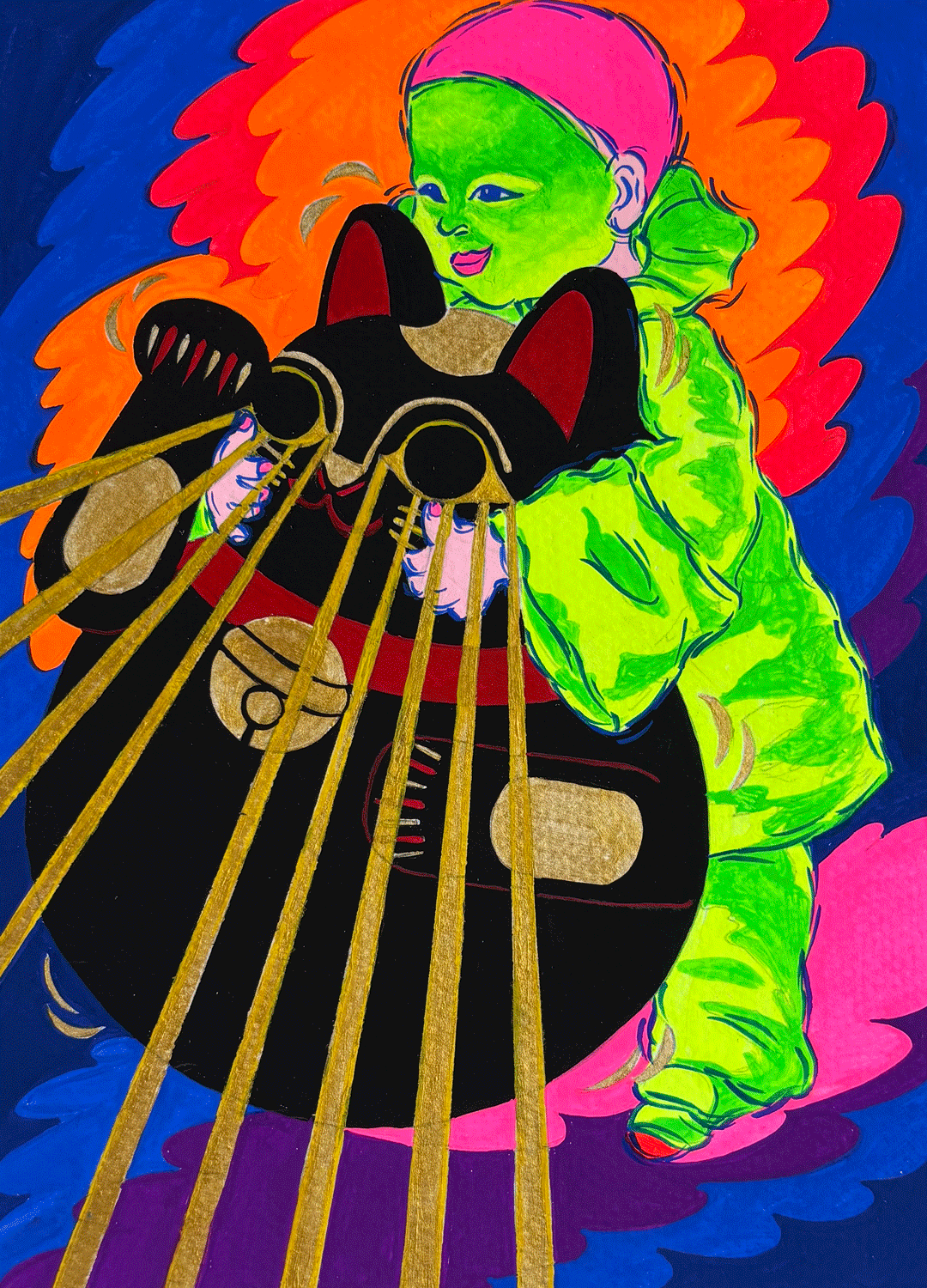
“Kuro Maneki-neko” in 'Pierrot and the Cat'

Umbrella concept:
Series: "Engimono Animals Gashapon x Master Studies"
• 10 Engimono Animals / Folk Toys (representing Eastern spirituality) deconstruct the gloom and negative energy of classic Western masterpieces by 9 Japonisme artists, healing them with auspicious symbolism and positive energy.
• Fauvist-style colors transform the vibe of the original masterpieces from negativity or stagnation into positive energy—or conversely, intensify the existing negative energy—to emphasize the new healing context introduced by the Engimono Animals.

** "Japonisme" was not merely a fashion trend, but an "antidote" that liberated and deconstructed the monotony and rigidity of Western art at the time, ushering in a world of novelty, fluidity, simplicity, and emotional depth.

Description of Artwork 7/10:
Théophile Steinlen’s original painting Pierrot and the Cat (1889) is filled with negative meanings: a gloomy, lithographic atmosphere, and the clown Pierrot—a symbol of loneliness, sadness, and rejection. Worse, the clown is clutching a black cat, which in Western folklore signifies bad luck, misfortune, and terrifying mystery.
The Healing:
1. Fauvism Color Palette:
o 1.1) The harsh atmosphere surrounding the original clown is intensified by a storm of Fluorescent Orange and Fluorescent Blue, combined with Dark Purple. Together, these colors represent the chaotic and threatening external world looming over the innocent clown.
o 1.2) The clown's original pale white outfit (stagnant and lifeless) is bathed in Fluorescent Green. This color radiates vitality and beauty, declaring that Pierrot will no longer surrender to sorrow.
o 1.3) The original black hat (a Victorian symbol of rigid, traditional authority) is replaced with Fluorescent Pink, bringing an explosion of playfulness and joy to the clown. (The silhouettes of the black lucky cat and the clown also glow in pink, symbolizing shared happiness and fun).
2. The original flat French black cat (an omen of bad luck) is replaced by "Kuro Maneki-neko" (the Black Welcoming Cat), a protector that repels evil and keeps people safe.
3. Golden laser beams shooting from the black cat's eyes represent the light of sacred awakening. Piercing through the chaotic storm in the background, these unwavering beams act as a shield against sin and banish all approaching negative energy, allowing the clown Pierrot to smile for the very first time.

ในภาพ Pierrot and the Cat (ค.ศ.1889) ดั้งเดิมของ Théophile Steinlen เต็มไปด้วย Negative meaning ได้แก่ บรรยากาศอึมครึม สีเอิร์ธโทน และตัวตลกปิแอร์โรต์ (Pierrot) ซึ่งเป็นสัญลักษณ์ของความโดดเดี่ยว เศร้า และถูกปฏิเสธ ซ้ำร้ายตัวตลกยังกอดรัดแมวดำ ซึ่งในความเชื่อตะวันตกนั้น แมวดำเชื่อมโยงกับความโชคร้าย เภทภัย และความลี้ลับที่น่าหวาดกลัว

การเยียวยา (Healing):
1. สีสันสไตล์ Fauvism;
1.1) สีสันสไตล์ Fauvism ขับเน้นบรรยากาศของโลกที่โหดร้ายรอบตัวตลกในภาพเดิม ให้ทวีความรุนแรงขึ้นด้วยพายุเพลิงสีแสด (Fluorescent Orange) และสีน้ำเงินเรืองแสง (Fluorescent Blue) ร่วมกับสีม่วงเข้ม (Dark Purple) เมื่ออยู่รวมกัน สีเหล่านี้เป็นตัวแทนของความสับสนวุ่นวาย เภทภัยของโลกภายนอกที่กำลังคุกคามตัวตลกที่ไร้เดียงสา
1.2) สีสันสไตล์ Fauvism อาบชุดสีขาวซีด (ที่นิ่งงันและไร้ชีวิตชีวา) ของตัวตลกในภาพเดิม ด้วยสีเขียวนีออน (Fluorescent Green) ซึ่งเป็นสีที่เต็มไปด้วยพลังงานแห่งชีวิตชีวาและการงอกงาม เหมือนประกาศก้องว่า ‘ตัวตลกปิแอร์โรต์ จะไม่ยอมเศร้าสลดอีกต่อไป!’
1.3 หมวกสีดำในภาพเดิม (สัญลักษณ์ความศักดิ์สิทธิ์ที่เคร่งครัดในแบบเดิมๆ ของยุค Victorian) ถูกแทนที่ด้วยสีชมพูเรืองแสง (Fluorescent Pink) เป็นการระเบิดความขี้เล่น สนุกสนาน ให้กับตัวตลก (สังเกตเงาของแมวกวักดำและตัวตลกก็เป็นสีชมพูเรืองแสง ที่สื่อถึงความสุข สนุกสนาน เช่นกัน)

2. แมวดำตัวลีบแบนของฝรั่งเศส (ตัวแทนลางร้าย) ในภาพเดิม ถูกแทนที่ด้วย “Kuro Maneki-neko” แมวกวักดำผู้ปัดเป่าและป้องกันสิ่งชั่วร้าย และคุ้มครองผู้คนให้ปลอดภัย

3. ลำแสงเลเซอร์สีทอง พุ่งออกจากดวงตาของแมวกวักดำ คือแสงแห่งการตื่นรู้อันศักดิ์สิทธิ์ ลำแสงพุ่งตรงแน่วแน่ ตัดกับพายุแห่งเภทภัยอันแปรปรวนที่พื้นหลัง ลำแสงเปรียบเสมือนเกราะป้องกันบาป และช่วยปัดเป่าพลังงานลบทั้งหมดที่จะเข้ามาทำร้าย ตัวตลก (ทำให้ตัวตลกปิแอร์โรต์ยิ้มออกมาได้เป็นครั้งแรก)

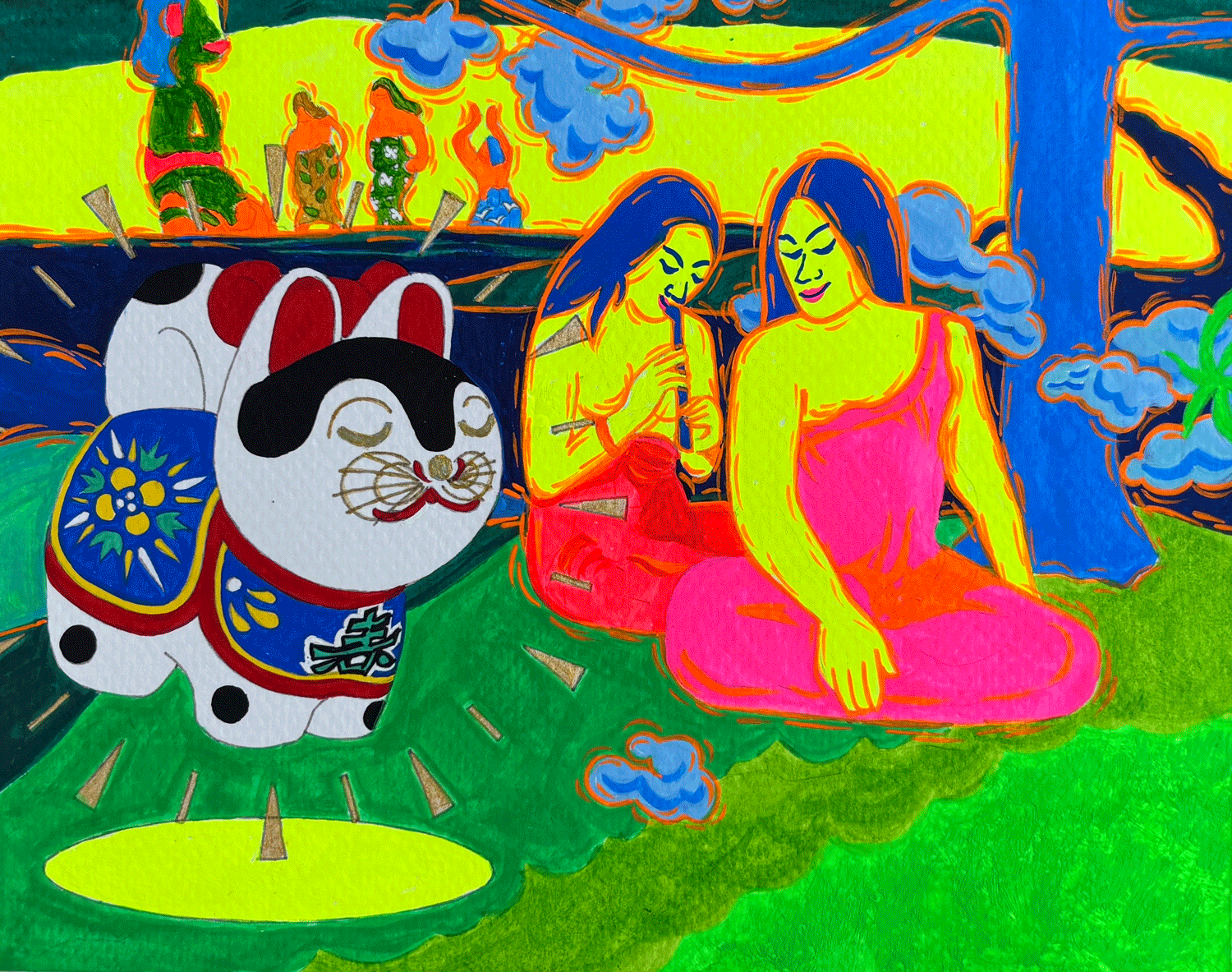
“Inu-Hariko” in 'Arearea I'

Umbrella concept:
Series: "Engimono Animals Gashapon x Master Studies"
• 10 Engimono Animals / Folk Toys (representing Eastern spirituality) deconstruct the gloom and negative energy of classic Western masterpieces by 9 Japonisme artists, healing them with auspicious symbolism and positive energy.
• Fauvist-style colors transform the vibe of the original masterpieces from negativity or stagnation into positive energy—or conversely, intensify the existing negative energy—to emphasize the new healing context introduced by the Engimono Animals.

** "Japonisme" was not merely a fashion trend, but an "antidote" that liberated and deconstructed the monotony and rigidity of Western art at the time, ushering in a world of novelty, fluidity, simplicity, and emotional depth.

Description of Artwork 8/10:
In Paul Gauguin’s original painting Arearea I (1892)—where Arearea means "amusement" or "joy" in Tahitian—several negative subtexts exist:
• Colonialist Appropriation: The artwork represents how white colonizers exploited and modified indigenous culture for their own pleasure, while dismissing the genuine hardships of the islanders.
• The original red dog symbolizes "uncontrolled sexual urges and primal savagery."
• The ancient idol in the background represents the islanders' original beliefs that were destroyed by white Christian missionaries. This shows that Gauguin painted a "fabricated religion," reflecting his own superficial faith in Christianity.
The Healing:
1. "Inu-Hariko" (The Guardian Dog) replaces the original red dog to heal and therapy Gauguin's lost and confused mind during that period.
o Inu-Hariko transforms Gauguin's loneliness and alienation into a welcoming, warm, and safe atmosphere.
o Inu-Hariko infuses new vitality to heal Gauguin's illness and deprivation.
o Inu-Hariko strips away the sins and constructs of colonialism, ushering in true Zen tranquility. The two indigenous women in the foreground intuitively sense this peace, closing their eyes to communicate spiritually with the Inu-Hariko.
2. The Fauvism–Fluorescent color palette intensifies the original painting's illusory, paradise-like atmosphere of "joy," reinforcing the irony that this utopian dream could never truly exist.

ภาพ Arearea I (ค.ศ.1892) ดั้งเดิมของ Paul Gauguin (‘Arearea’ ภาษาตาฮิติ แปลว่า ‘ความสุขสำราญ’) ในภาพนี้มีนัยยะเชิงลบหลายอย่าง
• ภาพนี้เป็นตัวแทนของลัทธิล่าอาณานิคม (colonialist appropriation) ที่คนผิวขาวเข้าไปตักตวงและดัดแปลงวัฒนธรรมของคนพื้นเมือง เพื่อสร้างความสุขสำราญให้ตนเอง โดยปฏิเสธความทุกข์ร้อนที่แท้จริงของชาวเกา
• สุนัขสีแดงในภาพเดิม เป็นตัวแทนของ ‘แรงขับทางเพศและความดิบเถื่อนที่ไร้การควบคุม’
• เทวรูปโบราณที่ background เป็นตัวแทนความเชื่อดั้งเดิมของชาวเกาะซึ่งถูกทำลายไปแล้ว (โดยการเผยแผ่ศาสนาคริสต์ของคนผิวขาว) สิ่งนี้คือการที่โกแกงวาด ‘ศาสนาปลอม’ ขึ้นมา ซึ่งสะท้อนความสูญสิ้นศรัทธาในศาสนาคริสต์ของตัวเขาเองด้วย

การเยียวยา (Healing):
1. “Inu-Hariko” (สุนัขพิทักษ์) เข้าแทนที่ สุนัขสีแดงในภาพเดิม เป็นการย้อนกลับไปเยียวยา/บำบัด (Healing/Therapy) จิตใจที่กำลังหลงทางและสับสนของโกแกงในช่วงเวลานั้น
• Inu-Hariko เปลี่ยนความอ้างว้างและความรู้สึกแปลกแยกของโกแกง ให้กลายเป็นบรรยากาศของการได้รับการต้อนรับและความรู้สึกอบอุ่นปลอดภัย
• Inu-Hariko มอบพลังชีวิตใหม่ (Vitality) บำบัดความเจ็บป่วยและแร้นแค้นของโกแกง
• Inu-Hariko ปลดเปลื้องตราบาปและกรอบลัทธิอาณานิคม สู่ความสงบนิ่งที่แท้จริงแบบ Zen (เซน) ซึ่งชาวเกาะ (represent ด้วยผู้หญิง 2 คนที่ foreground) ก็รับรู้ได้ด้วยญาณเช่นกัน (represent ด้วยการที่ผู้หญิงทั้งคู่หลับตาลง เพื่อสื่อสารทางจิตกับ Inu-Hariko)

2.สีสันสไตล์ Fauvism - Fluorescent ช่วยเร่งเราบรรยากาศแห่ง ‘ความสุขสำราญ’ เหมือนสรวงสวรรค์ของดินแดนในภาพเดิม เพื่อเป็นการตอกย้ำว่า ดินแดนยูโทเปียนี้ไม่มีทางที่จะเกิดขึ้นจริงได้

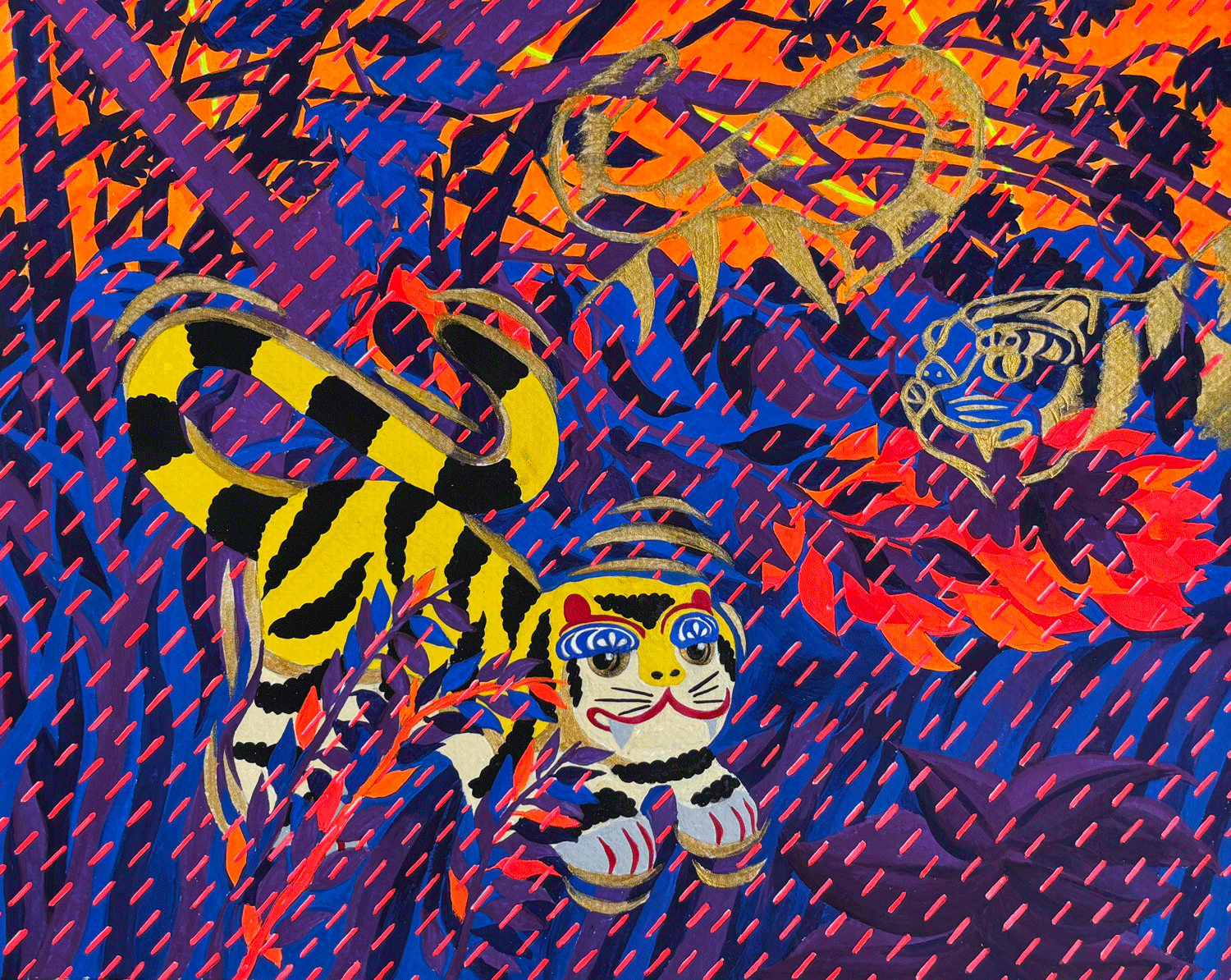
“Kurama Hariko no Tora” in 'Tiger in a Tropical Storm (Surprised!)'

Umbrella concept:
Series: "Engimono Animals Gashapon x Master Studies"
• 10 Engimono Animals / Folk Toys (representing Eastern spirituality) deconstruct the gloom and negative energy of classic Western masterpieces by 9 Japonisme artists, healing them with auspicious symbolism and positive energy.
• Fauvist-style colors transform the vibe of the original masterpieces from negativity or stagnation into positive energy—or conversely, intensify the existing negative energy—to emphasize the new healing context introduced by the Engimono Animals.

** "Japonisme" was not merely a fashion trend, but an "antidote" that liberated and deconstructed the monotony and rigidity of Western art at the time, ushering in a world of novelty, fluidity, simplicity, and emotional depth.

Description of Artwork 9/10:
In Henri Rousseau’s original painting Tiger in a Tropical Storm (Surprised!) (1891), a tiger is seen panicking amidst a raging storm in a dense jungle. This carries a negative meaning, symbolizing the fragility of living beings helplessly terrified by the destructive power of nature.
The Healing:
1. The Fauvism color palette intensifies the terror of the dense jungle and the rainstorm:
o Fluorescent Blue and Dark Purple: Heighten a mysterious, gloomy, and terrifying atmosphere.
o Fluorescent Orange sky and foliage: Add a striking, ominous glow.
o Fluorescent Lemon lightning: Flashes with piercing clarity.
o Fluorescent Red rain: Represents the raw power of destruction.
2. The original trembling tiger is replaced by "Kurama Hariko no Tora" (the high-waisted tiger: a divine conqueror), representing the warrior deity Bishamonten. This tiger serves as a symbol of banishing disasters and evil.
o Standing firm and undaunted by the storm, the "Kurama Hariko no Tora" wears the innocent smile of a sacred deity. It manifests its divine power by projecting golden forms throughout the jungle like an army of warriors bravely conquering adversity. No matter how violent the external storm rages, it cannot shake the calm, resilient mind of this divine conqueror.

ในภาพ Tiger in a Tropical Storm (Surprised!) (ค.ศ.1891) ดั้งเดิมของ Henri Rousseau – เสือโคร่งลายพาดกลอนกำลังตื่นตระหนกท่ามกลางพายุที่โหมกระหน่ำในป่าทึบ สื่อถึง Negative meaning ที่เป็นการเปรียบเทียบความเปราะบางของสิ่งมีชีวิตที่กำลังหวาดกลัว ‘พลังทำลายล้างของธรรมชาติ’ อย่างไม่มีทางสู้ได้

การเยียวยา (Healing):
1. สีสันสไตล์ Fauvism ยิ่งทำให้ความน่ากลัวของป่าทึบและพายุฝนทวีความรุนแรงขึ้น
• สีน้ำเงินเรืองแสง (Fluorescent Blue) และสีม่วงเข้ม (Dark Purple) ส่งเสริมบรรยากาศลึกลับ หม่นหมอง น่าสะพรึงกลัว
• ท้องฟ้าและพุ่มไม้บางกลุ่มเป็นสีแสดเพลิง (Fluorescent Orange) ที่น่าสะพรึง
• สายฟ้าฟาดสีเหลืองนีออน (Fluorescent Lemon) สว่างวาบชัดเจน
• พายุฝนสีเลือด (Fluorescent Red) สื่อถึงพลังของการทำลายล้าง

2. เสือโคร่งที่กลัวจนตัวสั่นในภาพเดิม ถูกแทนที่ด้วย “Kurama Hariko no Tora” (เสือเอวสูง:เทพผู้พิชิต) ตัวแทนของเทพแห่งนักรบและการปราบมาร (Bishamonten) เสือเอวสูงจึงเป็นสัญลักษณ์ของการขับไล่ภัยพิบัติและสิ่งชั่วร้าย
• เสือเอวสูง “Kurama Hariko no Tora” ยืนหยัดมั่นคง ไม่หวาดหวั่นต่อพายุแม้แต่น้อย ใบหน้ามีรอยยิ้มไร้เดียงสาของเทพศักดิ์สิทธิ์ที่กำลังแสดงอิทธิฤทธิ์ด้วยการแยกร่างสีทองไปทั่วทั้งป่า เหมือนกองทัพนักรบที่กำลังปราบภัยพิบัติอย่างกล้าหาญ พายุภายนอกที่รุนแรงก็ทำจิตใจภายในที่สงบและเข้มแข็งของเสือเอวสูง:เทพผู้พิชิต ไม่ได้

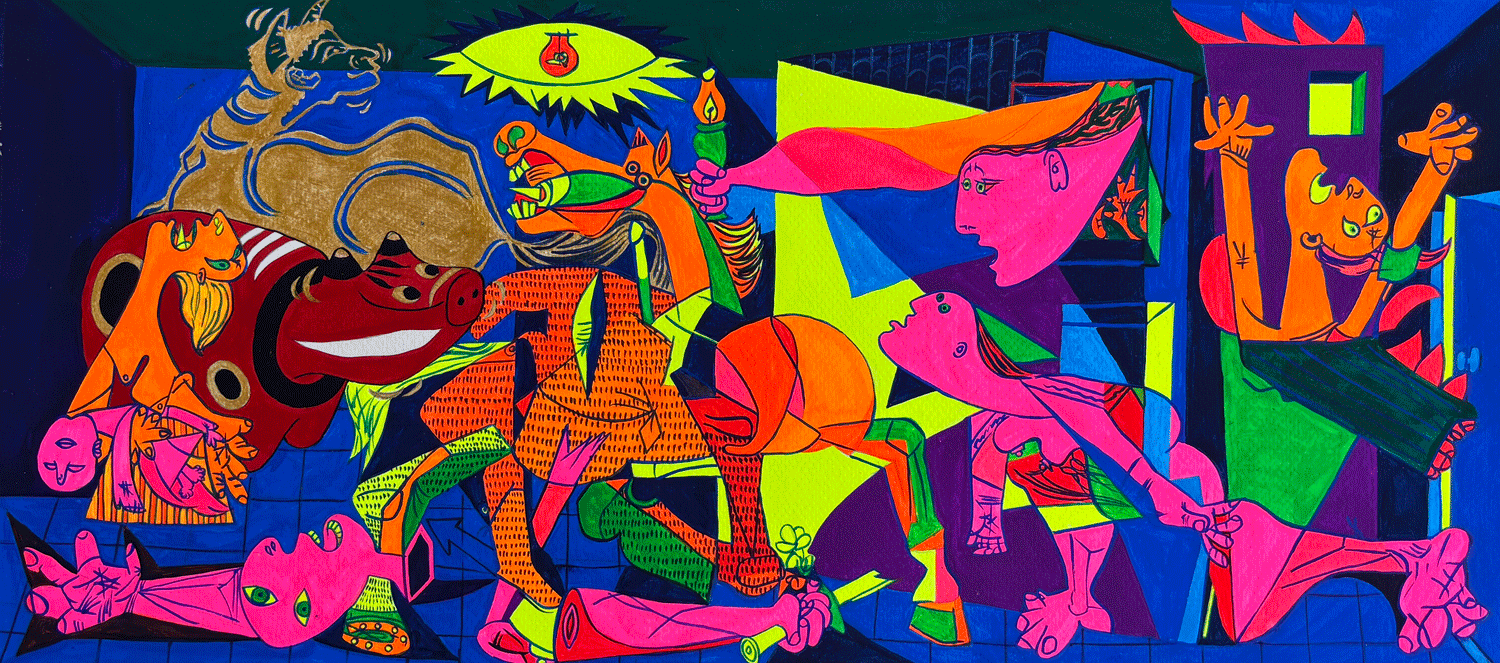
“Akabeko & Kudan (Yokai)” in 'Guernica'

Umbrella concept:
Series: "Engimono Animals Gashapon x Master Studies"
• 10 Engimono Animals / Folk Toys (representing Eastern spirituality) deconstruct the gloom and negative energy of classic Western masterpieces by 9 Japonisme artists, healing them with auspicious symbolism and positive energy.
• Fauvist-style colors transform the vibe of the original masterpieces from negativity or stagnation into positive energy—or conversely, intensify the existing negative energy—to emphasize the new healing context introduced by the Engimono Animals.

** "Japonisme" was not merely a fashion trend, but an "antidote" that liberated and deconstructed the monotony and rigidity of Western art at the time, ushering in a world of novelty, fluidity, simplicity, and emotional depth.

Description of Artwork 10/10:
In Pablo Picasso’s original Guernica (1937), the severe negative meaning represents death, agony, and the immense loss of innocent lives during one of humanity's darkest historical events—the carpet-bombing of Guernica by fascist and Francoist forces. This attack was a cruel weapon experiment designed to massacre civilians and terrorize them into submission.
The Healing:
1. The original bull (a symbol of fascist threat and tyranny) represents the cruelty and indifference toward human suffering. It is replaced by "Akabeko" (the Sacred Red Bull), which manifests its true form as the golden, half-human half-bull deity Kudan. Standing behind the grieving mother, Akabeko provides comfort and support, while casting a gaze of deep empathy toward the screaming horse (representing the silent agony of innocent victims).
Dual Healing Synergy:
The meeting of these two sacred bovine forms triggers a Double-Layered Healing that completely neutralizes and purges the horrors of the Guernica tragedy, healing both body and soul:
• Akabeko (The Physical Healer - Foreground): Its vibrant vermilion coat absorbs diseases, shrapnel wounds, and war toxins directly from the bodies of innocent victims.
• Kudan (The Spiritual Protector - Background Shadow): Its sacred golden silhouette casts onto the wall to suppress negative energy and banish the lingering evils of war, ensuring they never return to harm humanity.
2. The Fauvism–Fluorescent color palette uses neon tones to intensify the madness of the bombing and the horrifying imagery of shattered, mutilated victims from the event.

ในภาพ Guernica (ค.ศ.1937) ของ Pablo Picasso มี Negative meaning ที่รุนแรง คือเป็นภาพแทนของความตาย ความเจ็บปวด และความสูญเสีย ของประชาชนบริสุทธิ์จำนวนมาก จากประวัติศาสตร์ที่โหดร้ายและมืดมนที่สุดเหตุการณ์หนึ่งของมนุษยชาติ นั่นคือการทิ้งระเบิดแบบปูพรมถล่มเมืองเกอร์นิกา (Guernica) ในปีค.ศ. 1937 โดยฟาสซิสต์และเผด็จการฟรังโก การทิ้งระเบิดนี้ทำเพื่อทดลองอนุภาพของอาวุธสงครามยุคใหม่ นี่ไม่ใช่การรบการทหารแต่เป็นการจงใจสังหารหมู่พลเรือน เพื่อข่มขู่ให้ยอมสยบ

การเยียวยา (Healing):
1. วัวกระทิงในภาพเดิม (สัญญะแห่งภัยคุกคามและเผด็จการฟาสซิสต์) คือความโหดร้ายที่ไม่แยแสต่อความทุกข์ยาก เจ็บปวดทรมาน ของมนุษย์ที่เป็นเหยื่อระเบิด ถูกแทนที่ด้วยวัวแดงศักดิ์สิทธิ์ (Akabeko) ที่กำลังแสดงอิทธิฤทธิ์เผยให้เห็นร่างที่แท้จริงคือ เทพอสูรคุดัน (โยไค) ที่ปรากฎเป็นร่างสีทองครึ่งคนครึ่งวัว, Akabeko ยืนอยู่เบื้องหลังแม่ที่เสียลูกน้อยเหมือนเป็นการ support และปลอบประโลม, Akabeko ส่งแววตาของความเห็นใจไปยังม้า (ม้าเป็นตัวแทนของเหยื่อบริสุทธิ์ที่กรีดร้องอย่างไร้เสียง)

การประสานพลังการเยียวยา ของวัวสองขั้ว:
วัวมงคลทั้งสองขั้วมาบรรจบกัน เกิดปฏิกิริยาเยียวยาแบบทวีคูณ (Double-Layered Healing) ที่สามารถสยบและล้างพิษความโหดร้ายของโศกนาฏกรรมทิ้งระเบิดในเกอร์นิกาได้อย่างสมบูรณ์แบบทั้งร่างกายและจิตวิญญาณ:
• วัวแดงศักดิ์สิทธิ์ (Akabeko) - ที่ฉากหน้า: "ผู้ซับความทุกข์ทางกาย" (The Physical Healer) สีแดงชาดของมันจะคอยดูดซับโรคระบาด บาดแผลจากสะเก็ดระเบิด และสารพิษที่เกิดขึ้นจากสงครามออกจากร่างของเหยื่อผู้บริสุทธิ์
• เทพอสูรคุดัน (โยไค) (Kudan - Yokai) - ที่เงาในฉากหลัง: "ผู้ปกป้องทางจิตวิญญาณ" (The Spiritual Protector) ทอดเงาร่างสีทองอันศักดิ์สิทธิ์อยู่บนผนัง คอยสะกดพลังงานด้านลบและขับไล่เสนียดจัญไรของสงครามไม่ให้ย้อนกลับมาทำร้ายผู้คนได้อีก

2. สีสันสไตล์ Fauvism – Fluorescent (ใช้ทุกสีนีออน) ทวีความรุนแรงให้กับความบ้าคลั่งของการทิ้งระเบิดและร่างกายของเหยื่อบริสุทธิ์ ที่ถูกระเบิดฉีกกระชากออกเป็นชิ้นๆอย่างโหดร้ายในเหตุการณ์นั้น