

SHOWCASE
/ ARTIST / 2026
| ARTIST: | Tan |
| COUNTRY: | Thailand |
| CONTACT: |
- - https://www.instagram.com/tantanium97/ - |
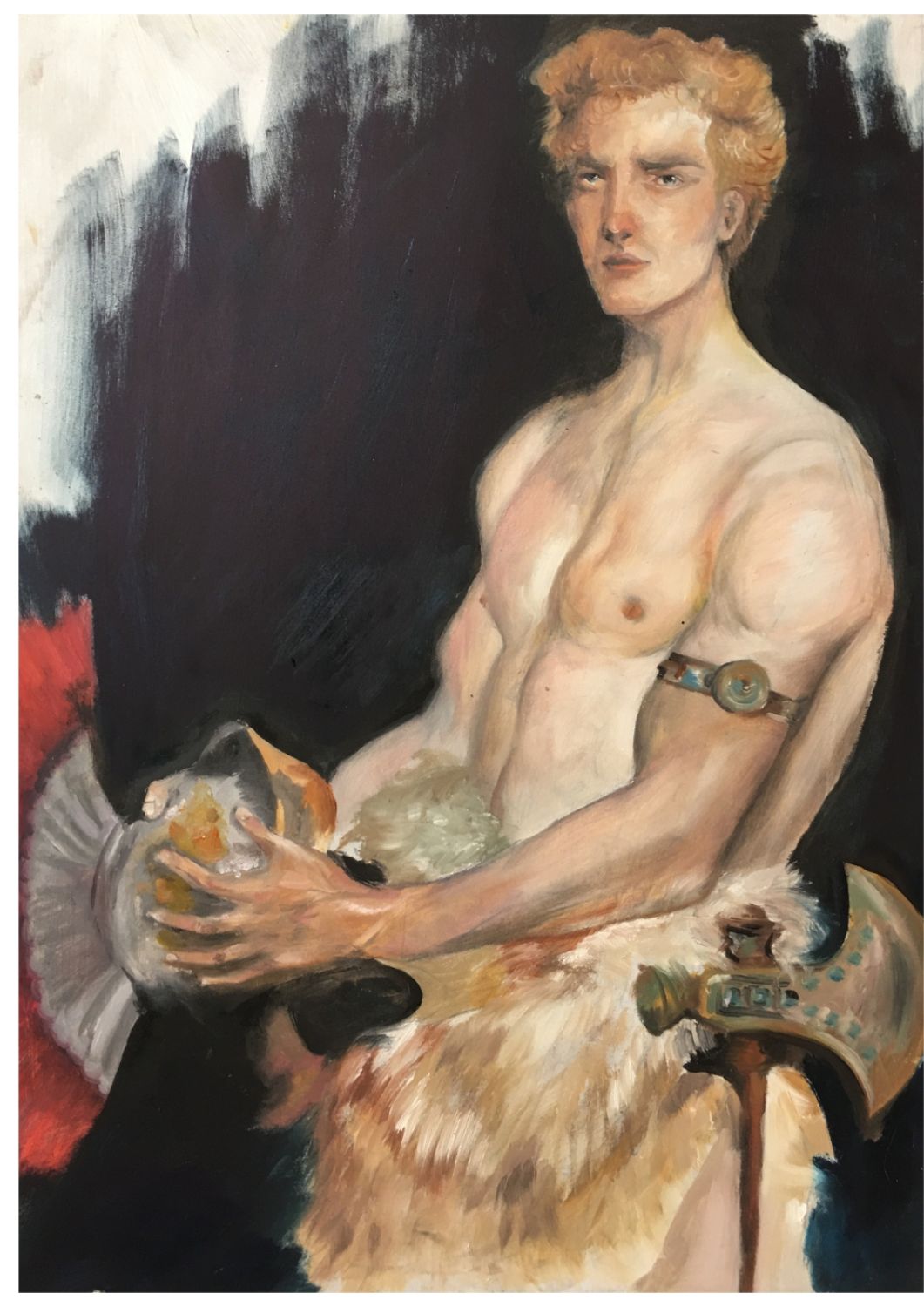
| My paintings begin with admiration and end with remembrance. I was taught to admire beauty through the Western canon. For years I painted the faces that museums had taught me to love, until I realized I had become a storyteller of inherited myths rather than my own. Today, my practice explores what lies beneath those inherited images. Through portraiture, painting, and collage, I bring Southeast Asian mythology into dialogue with classical ideals of beauty, not as opposition, but as remembrance. Naga, Shiva, unfinished eyes, and fragmented bodies are not symbols from the past. They are living memories that reveal how identity is shaped by the stories we inherit, the stories we forget, and the stories we choose to tell again. My work is an archaeology of seeing, excavating the visual lineages that formed me, and imagining new ones for those who come after. |
|
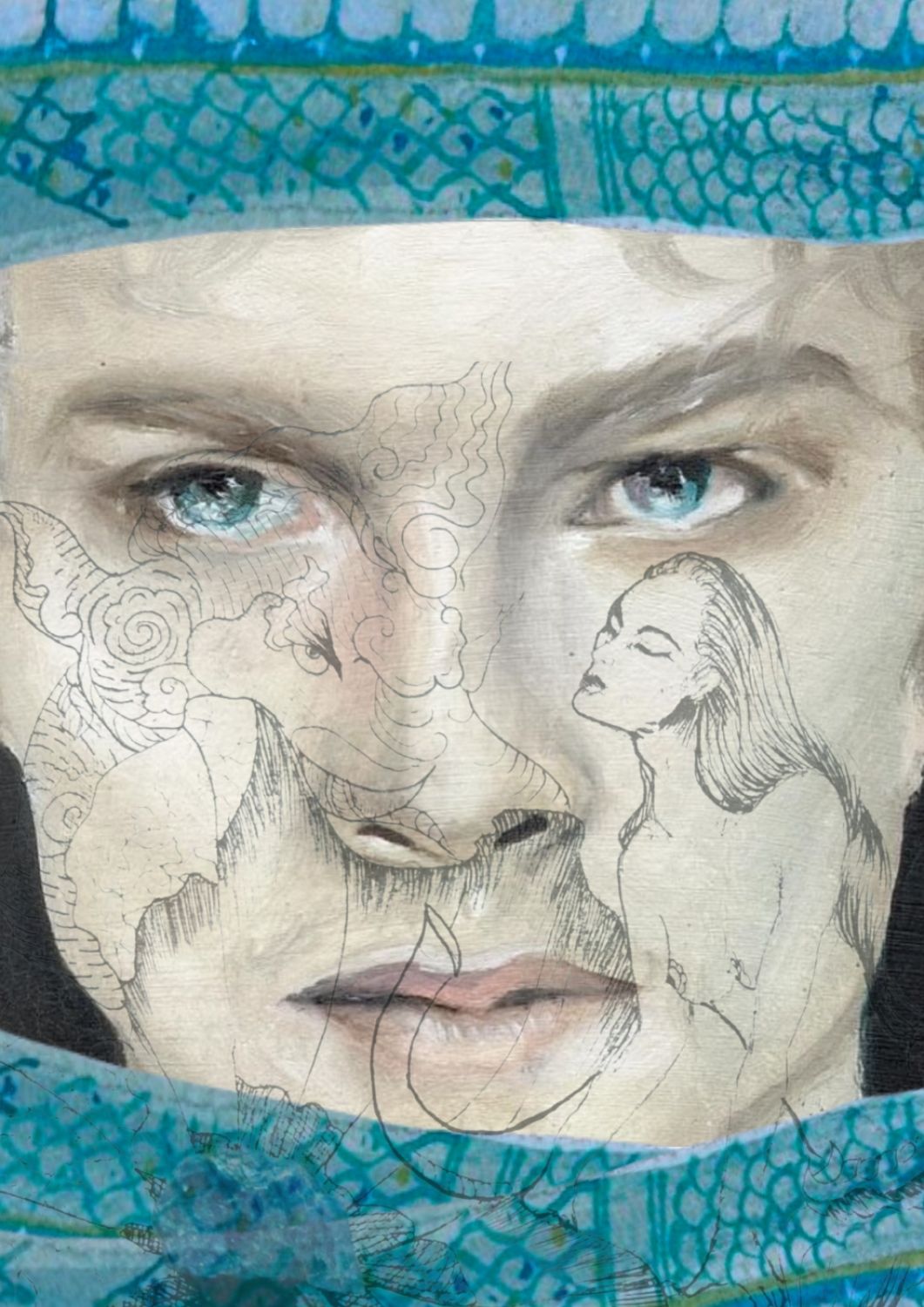
Borrowed Beauty #02
Borrowed Beauty began with a realization: the faces I had spent years painting were not my own stories. I had learned to see beauty through European portraits and museum collections, believing they represented the highest ideal. This series is my way of reclaiming that gaze not by rejecting what I admired, but by allowing my own mythology to emerge through it. Naga, forgotten gods, and ancestral memories gradually reclaim the faces I once borrowed, until they begin telling my story instead.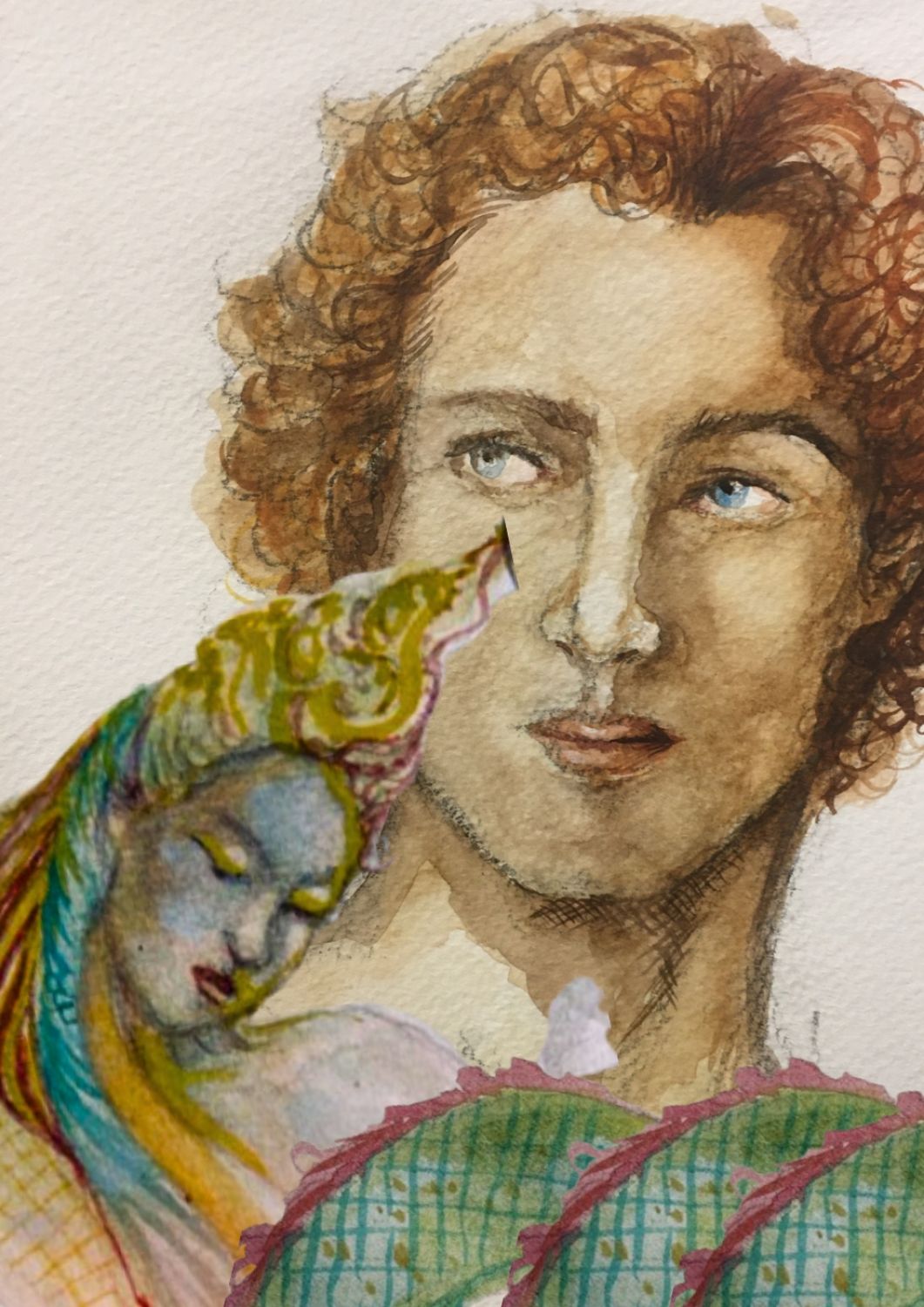
Borrowed Beauty #03
Borrowed Beauty began with a realization: the faces I had spent years painting were not my own stories. I had learned to see beauty through European portraits and museum collections, believing they represented the highest ideal. This series is my way of reclaiming that gaze not by rejecting what I admired, but by allowing my own mythology to emerge through it. Naga, forgotten gods, and ancestral memories gradually reclaim the faces I once borrowed, until they begin telling my story instead.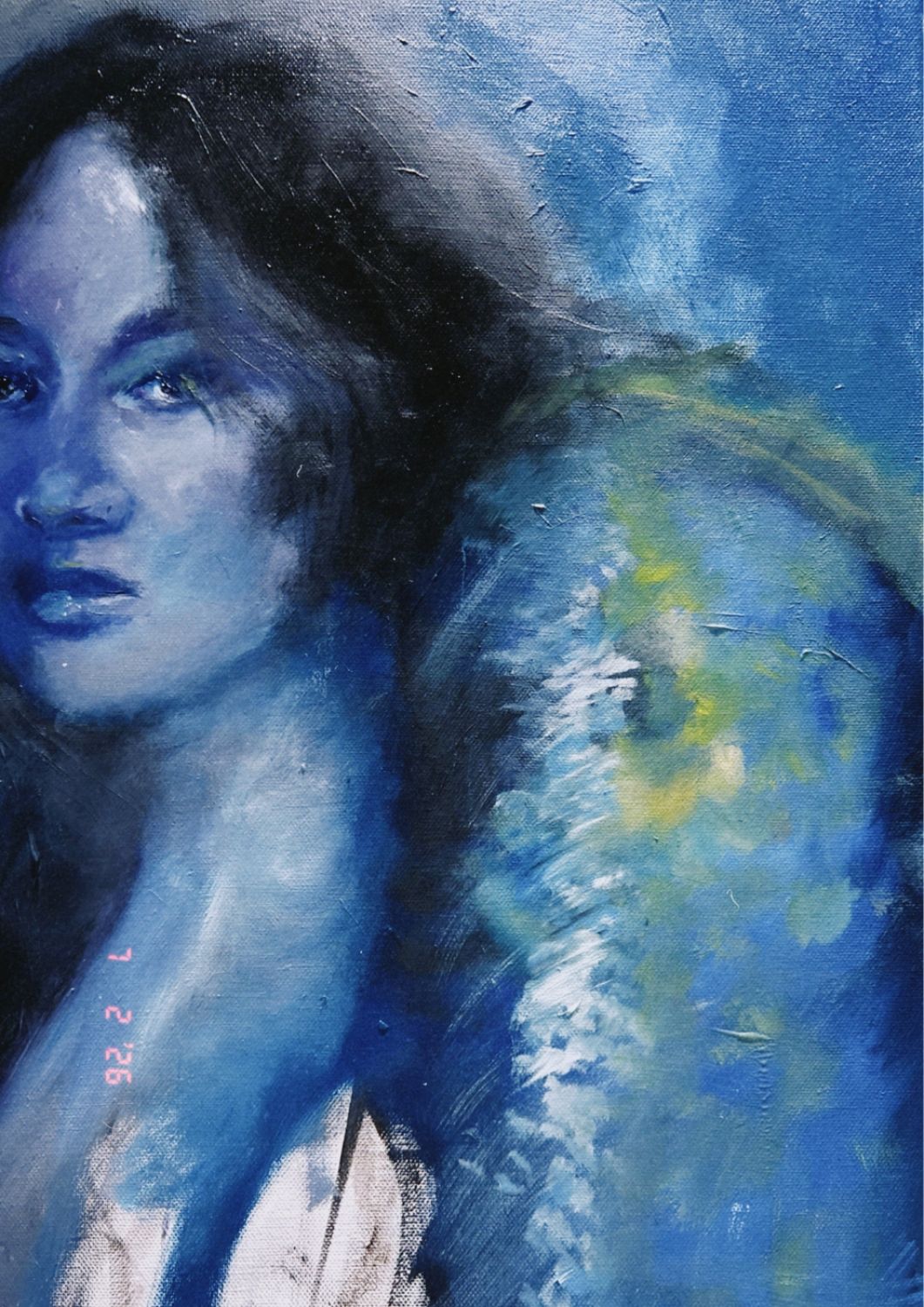
Reclaim
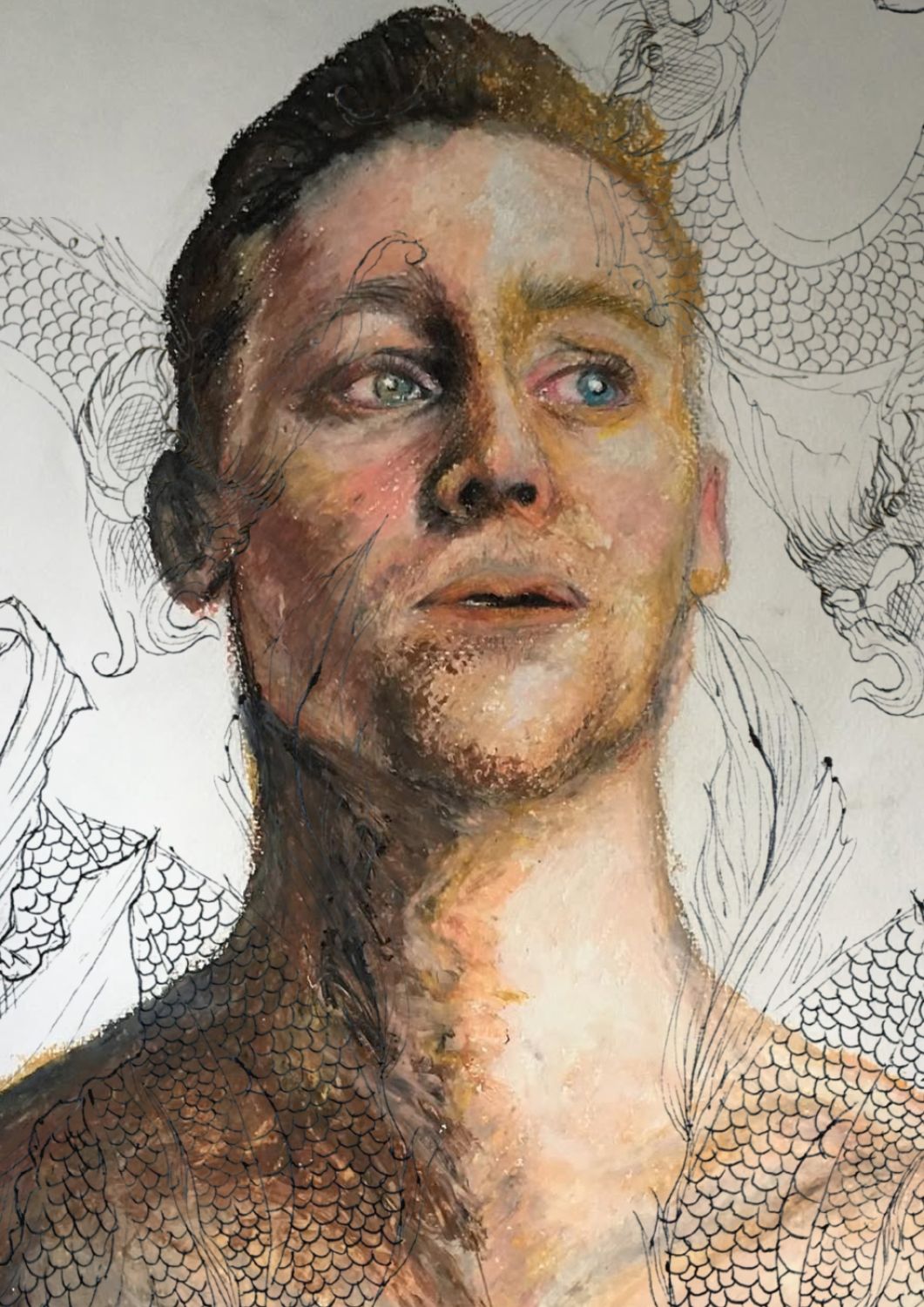
This was the first time I questioned the beauty I had spent years chasing. I realized that the faces I admired were carrying stories that were never mine to tell. As I painted, the Naga slowly entered the work, not as an illustration of mythology, but as a memory. It reminded me that I, too, had inherited stories. I had simply forgotten how to see them.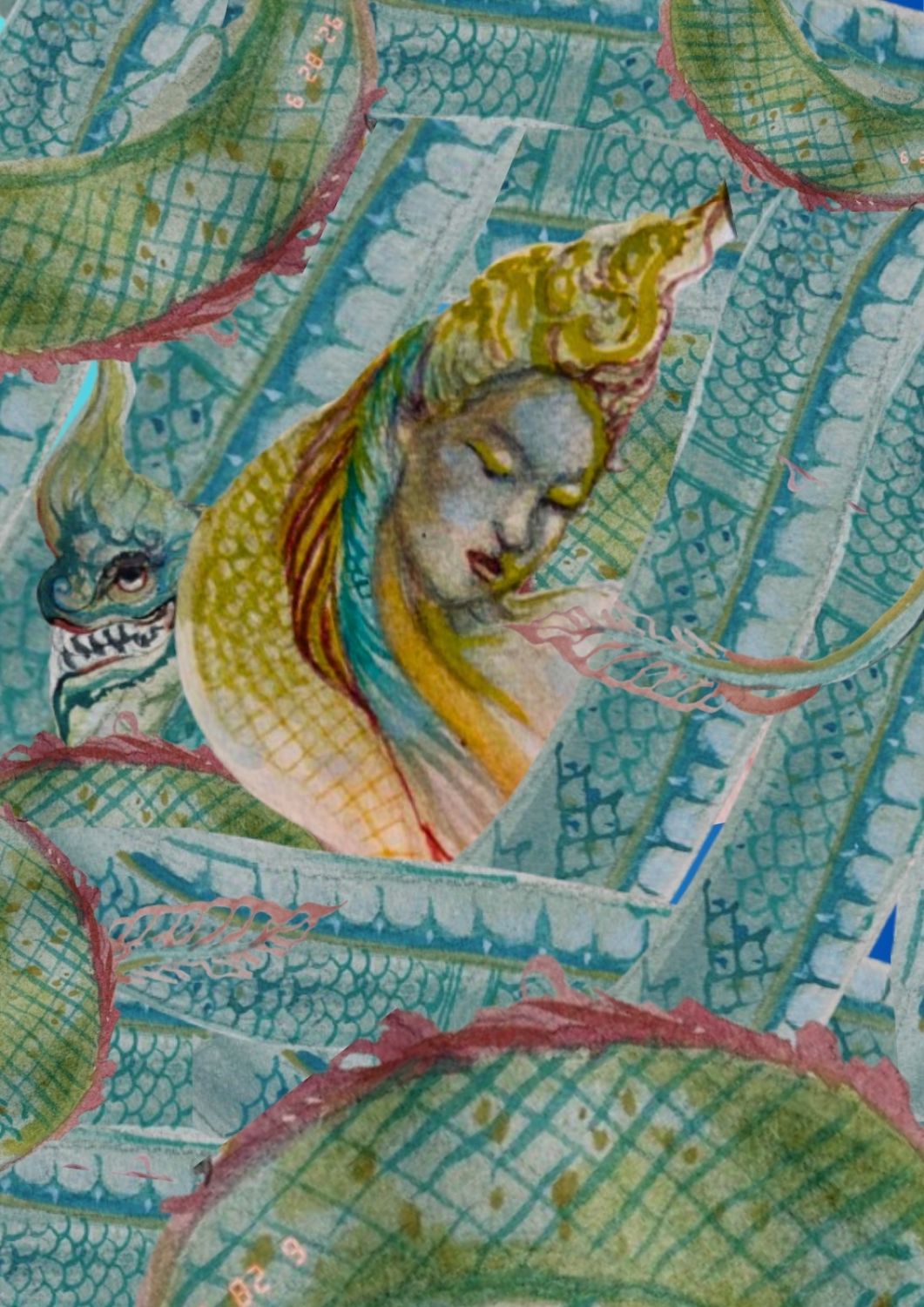
The House Beneath My Skin
Identity is not something we invent; it is something we uncover. Here, the serpent no longer exists beside the body, but within it. Coiling beneath the surface, it becomes an ancestral architecture, a home carried through memory, waiting to be remembered. What once felt foreign slowly reveals itself as the place I have always belonged.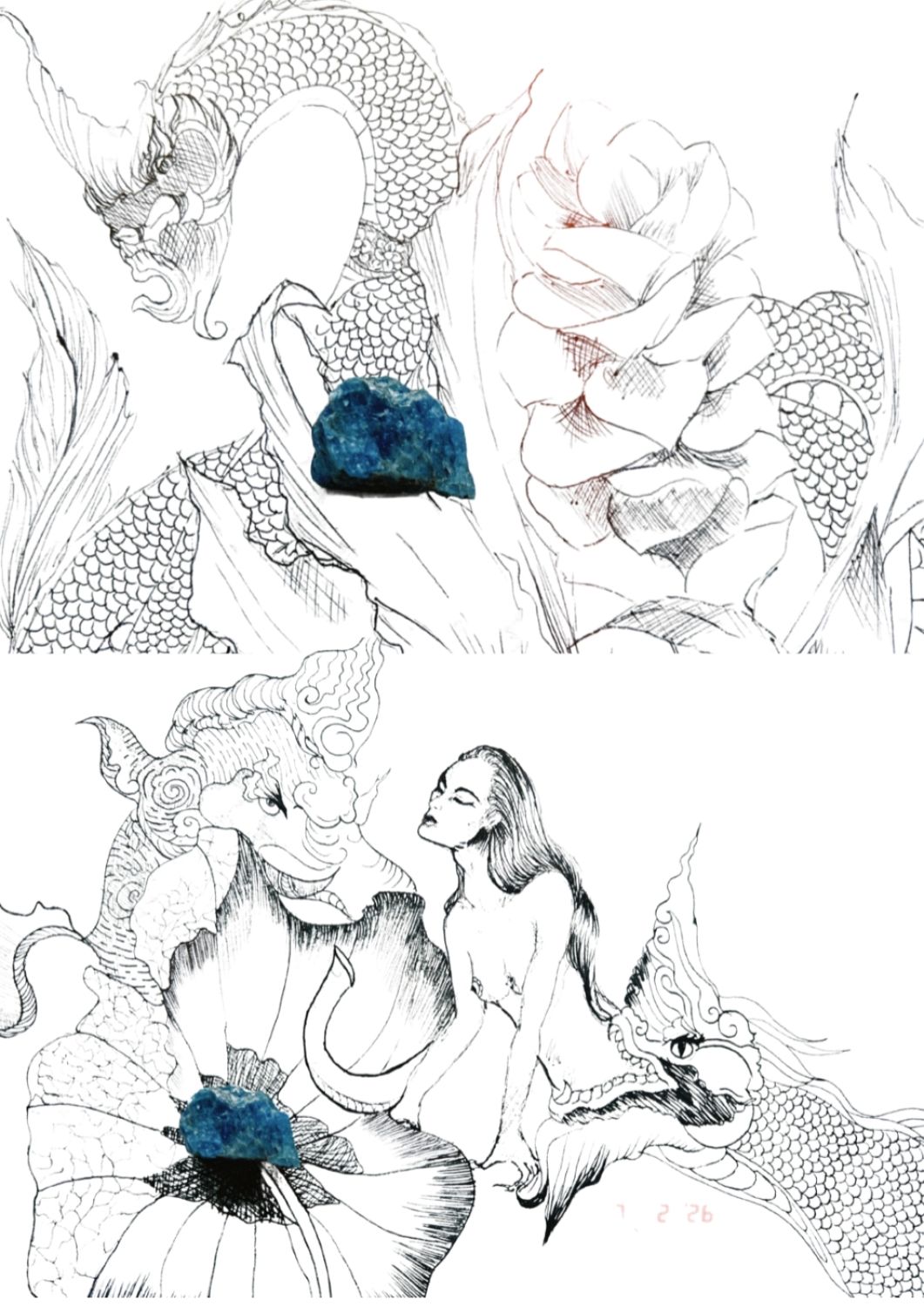
Before Spoken
Every mythology begins before language. Inspired by the narrative murals of Isan temple paintings (Hoop Taem), this drawing returns to a space where stories exist as fragments rather than linear events. Figures, serpents, flowers, and symbols unfold across the surface as simultaneous memories, echoing the way Hoop Taem carries multiple moments within a single wall. Before myths become history, before they are written or spoken, they live through images, gestures, and collective imagination. This work is not the beginning of a story, but the quiet ground from which stories first emerge.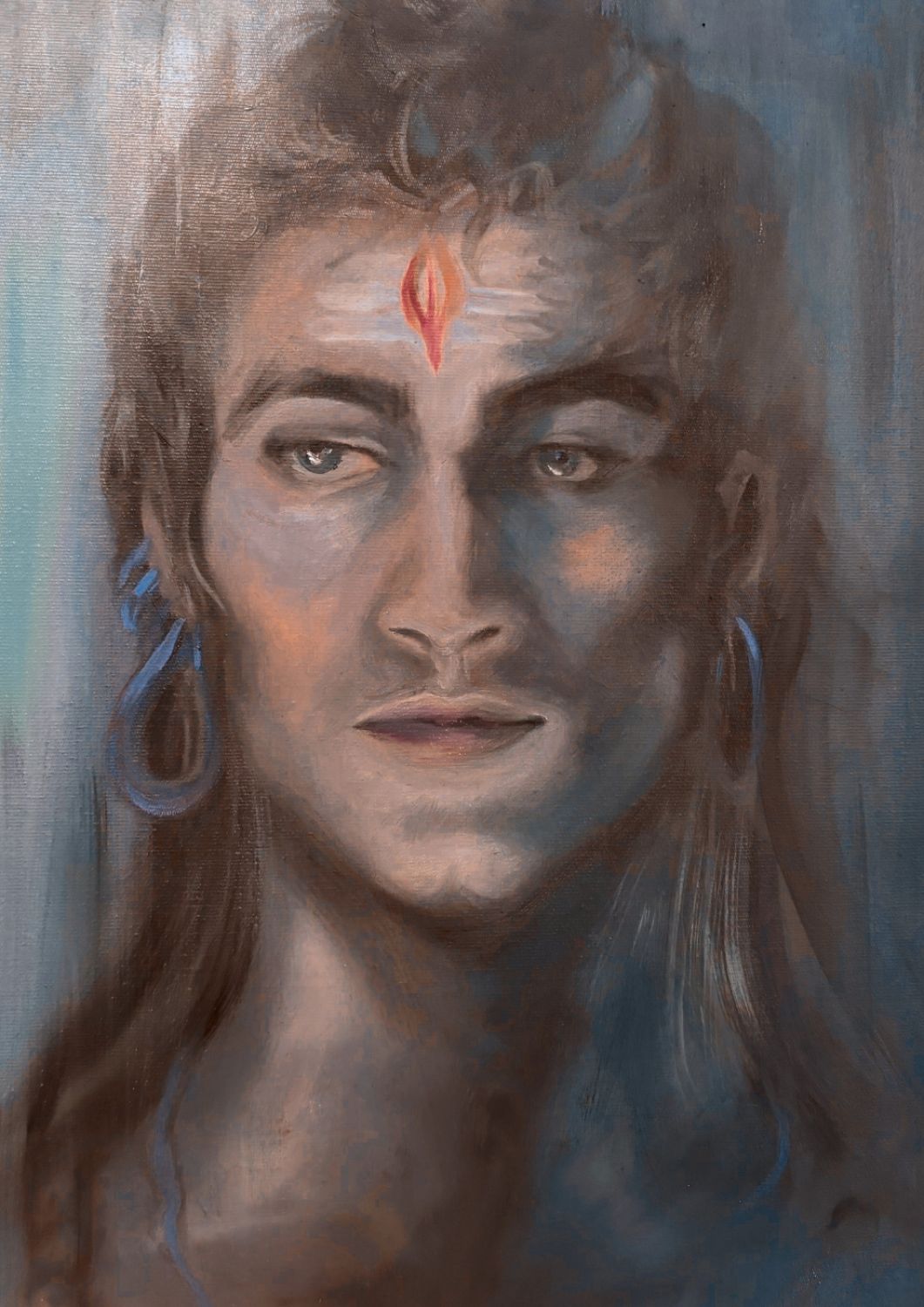
Shiva: Who Makes Room
I didn't paint Shiva because he was a god. I painted him because he reminds me what an artist must become. Unlike the flawless heroes I once admired, Shiva embodies transformation rather than perfection. He destroys not out of violence, but to make space for what is true. As I began reclaiming the mythology of my own region, I found myself returning to him not as a ruler to worship, but as a companion in the difficult act of letting borrowed stories fall away.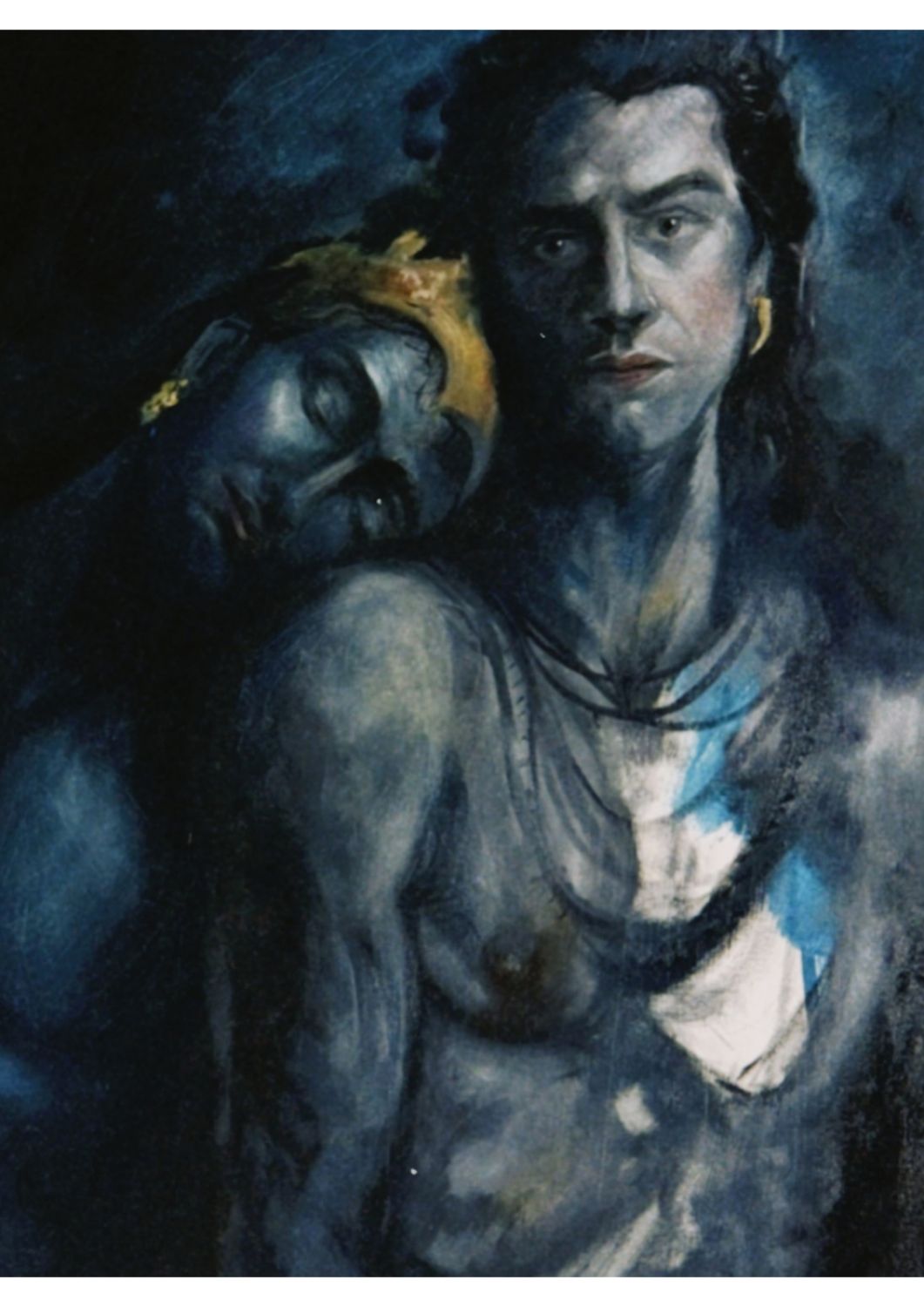
Gaze of the Destroyer
I chose to weaponize my Western training , the light, the anatomy, the precision, to lay bare a visceral Eastern wound. What you see here isn't a display of holy triumph, but a sanctuary of vulnerability. It is Shiva looking out at a fracturing world, his gaze heavy with the sorrow of a destroyer who takes no joy in his duty, while Vishnu stands beside him, weary from trying to hold a fading balance together. This piece taught me the brutal necessity of my own process: sometimes, you have to let your first hope die so that a deeper truth can be born.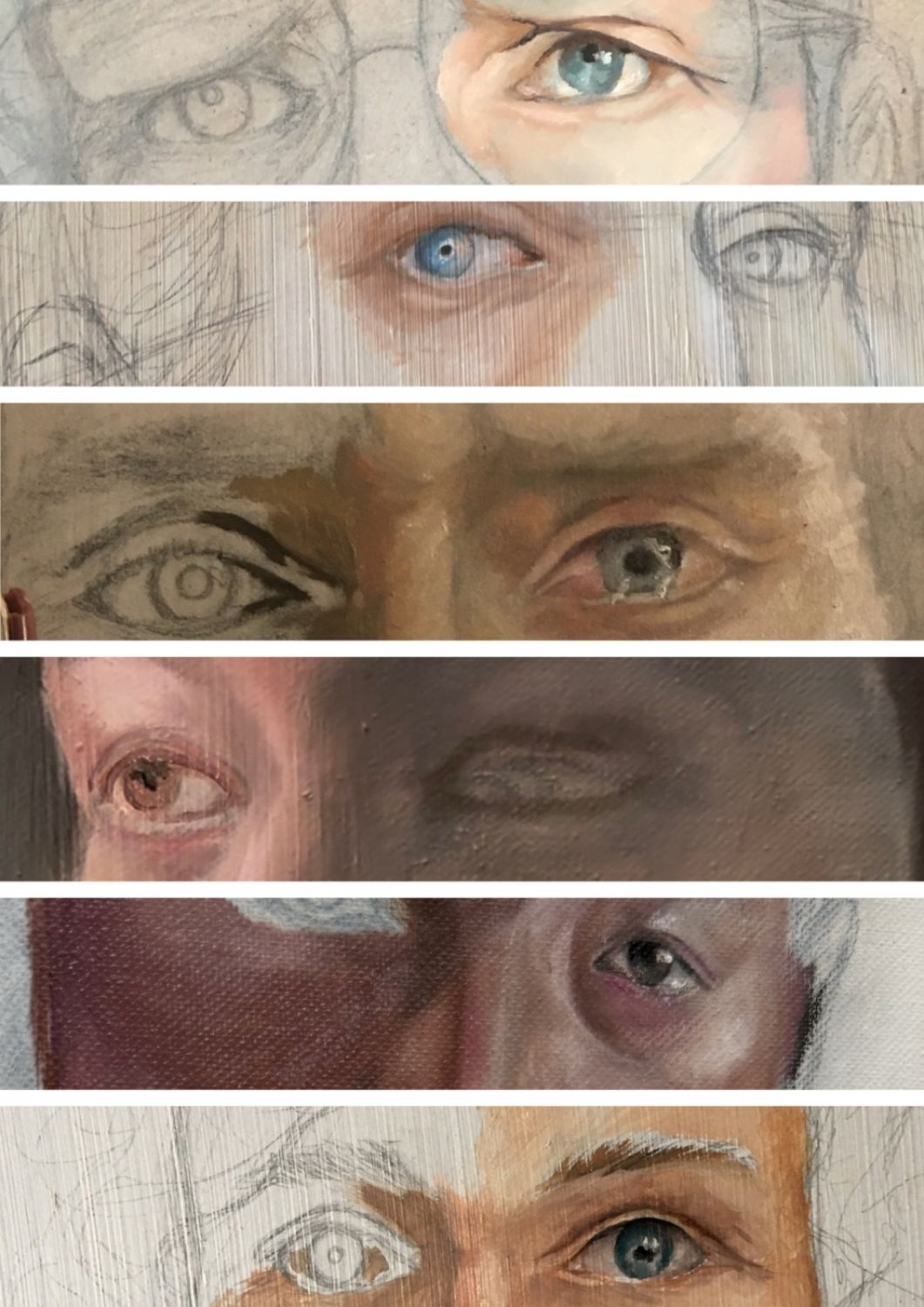
Collection of Lost Souls
Some portraits never become faces. They remain only as eyes, suspended between memory and oblivion. I used to think they were failures, paintings abandoned halfway, stories interrupted before they could speak. Now I see them differently. They are witnesses to the people I once loved, the artist I once was, and the lives that quietly changed direction. I no longer paint them to finish them. I collect them so they may finally rest.