SHOWCASE

/ ARTIST / 2026

ARTIST: CHOSKO
COUNTRY: Japan
CONTACT: https://www.instagram.com/chosko.artwork/
Hi, I’m CHOSKO, a visual artist from Japan.

I explore the hidden structures that shape our emotional lives.
Drawing inspiration from psychology, I examine how emotions are formed, transformed, and connected to one another. Through simple visual forms and systems, I translate psychological concepts into visual structures.

Rather than depicting emotions themselves, I am interested in the patterns and relationships that exist beneath them. By making these structures visible, I hope to encourage a deeper reflection on what we feel and why we feel it.

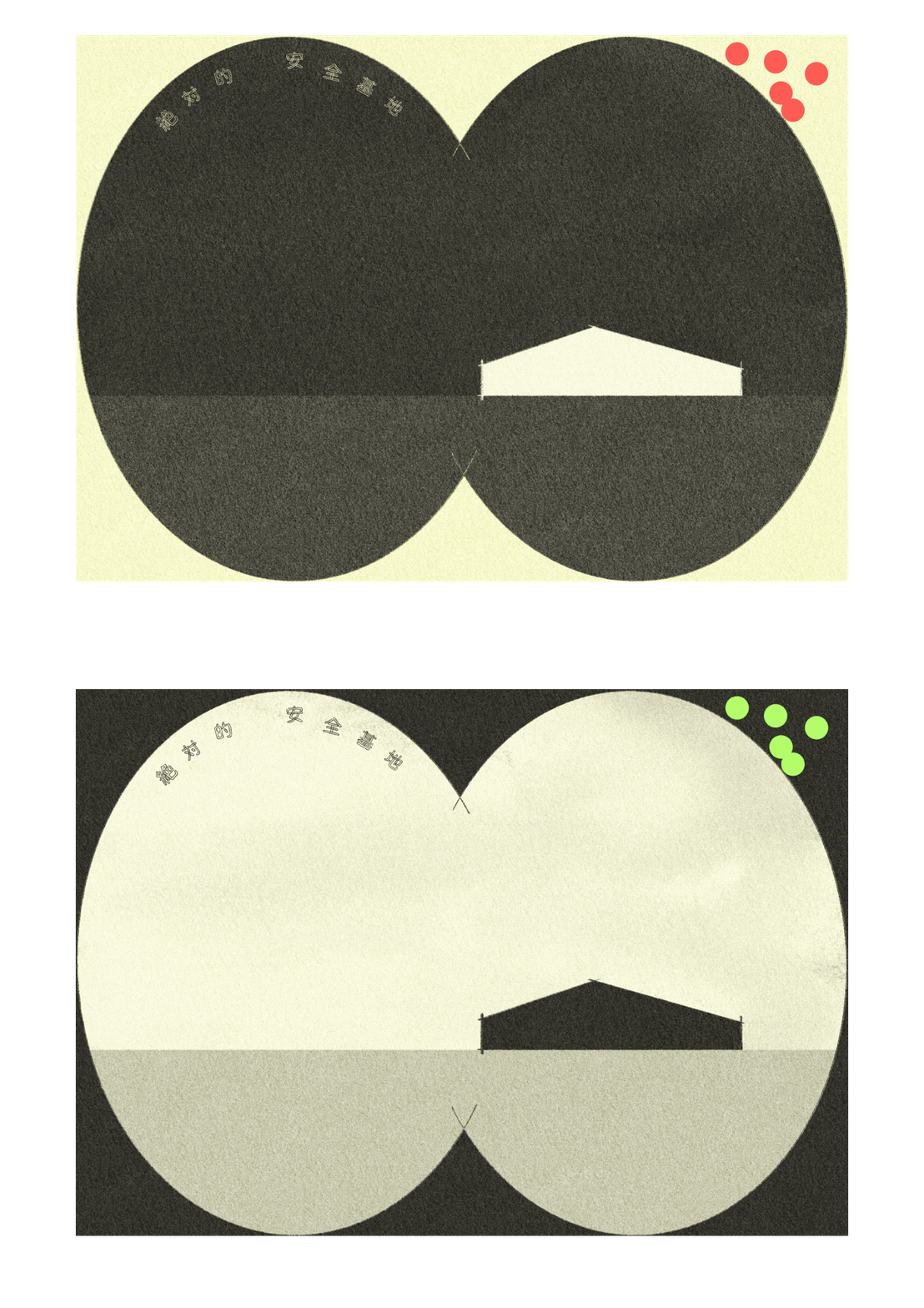
Absolute Secure Base

Every person needs a secure base.
In developmental psychology, a secure base is the stable presence that allows a child to explore the world. Because there is always a place to return to, we can take risks, recover from setbacks, and continue moving forward.
A secure base is defined by two qualities: stability and consistency. It remains present despite uncertainty, unaffected by external threats or change.
In this work, the house sits quietly within an infinite form. Whether day or night, it remains unchanged—a constant place of return.
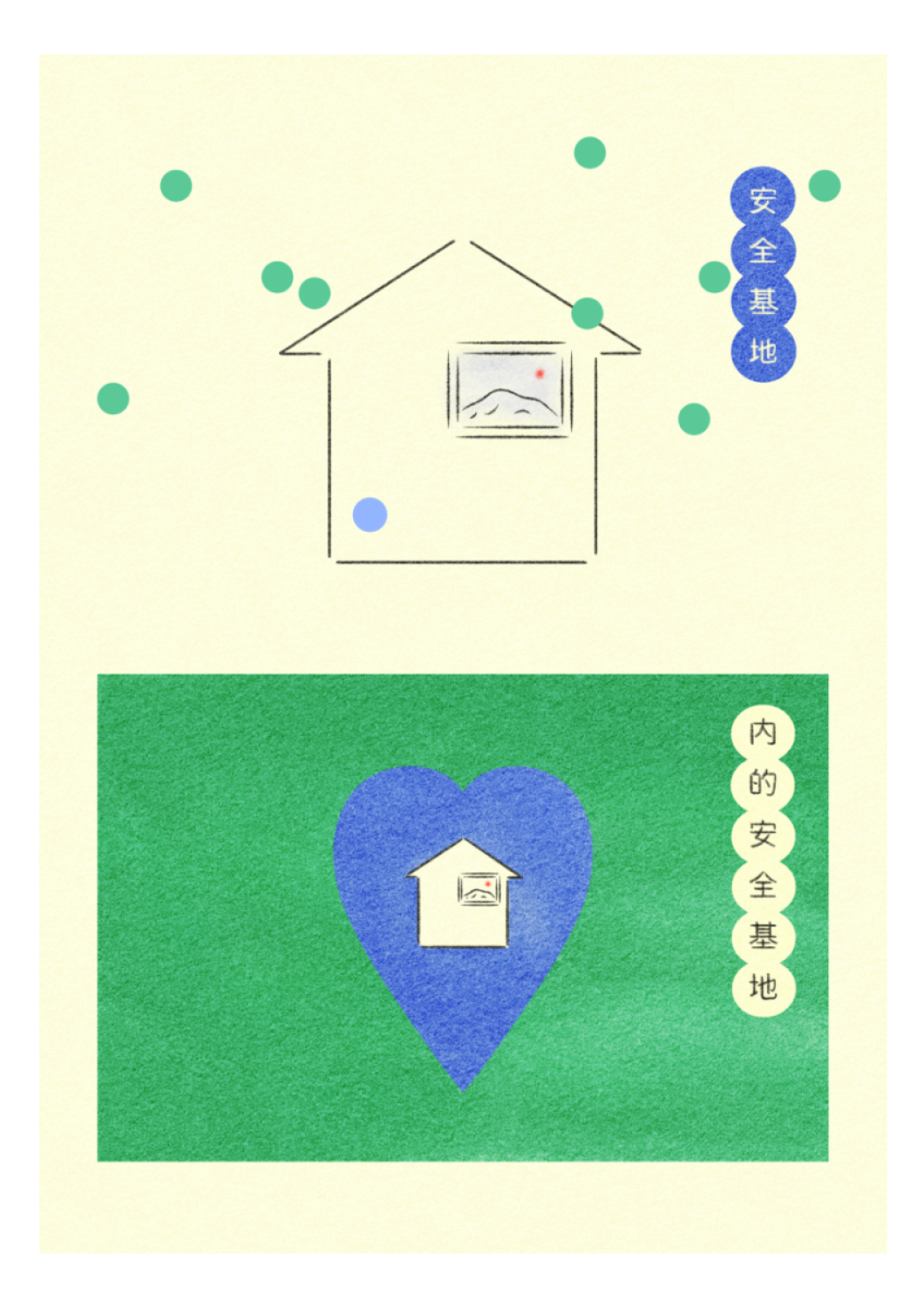
Internal Secure Base

At first, a secure base exists outside of us.
Through repeated experiences of being protected, understood, and accepted, it slowly takes root within. What was once external becomes an inner presence.
This work depicts the journey of a secure base becoming an internal one—a place we can return to wherever we are.

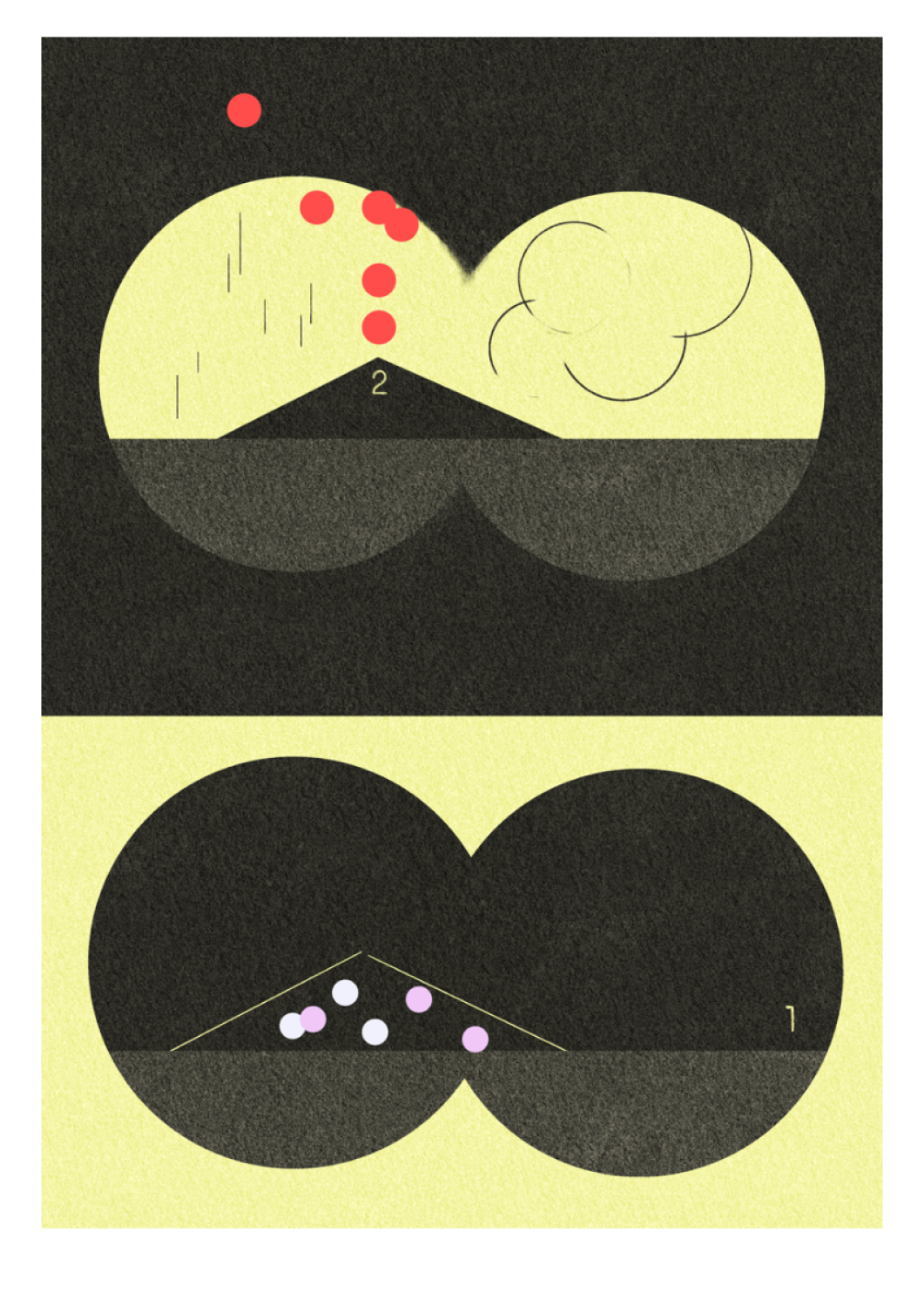
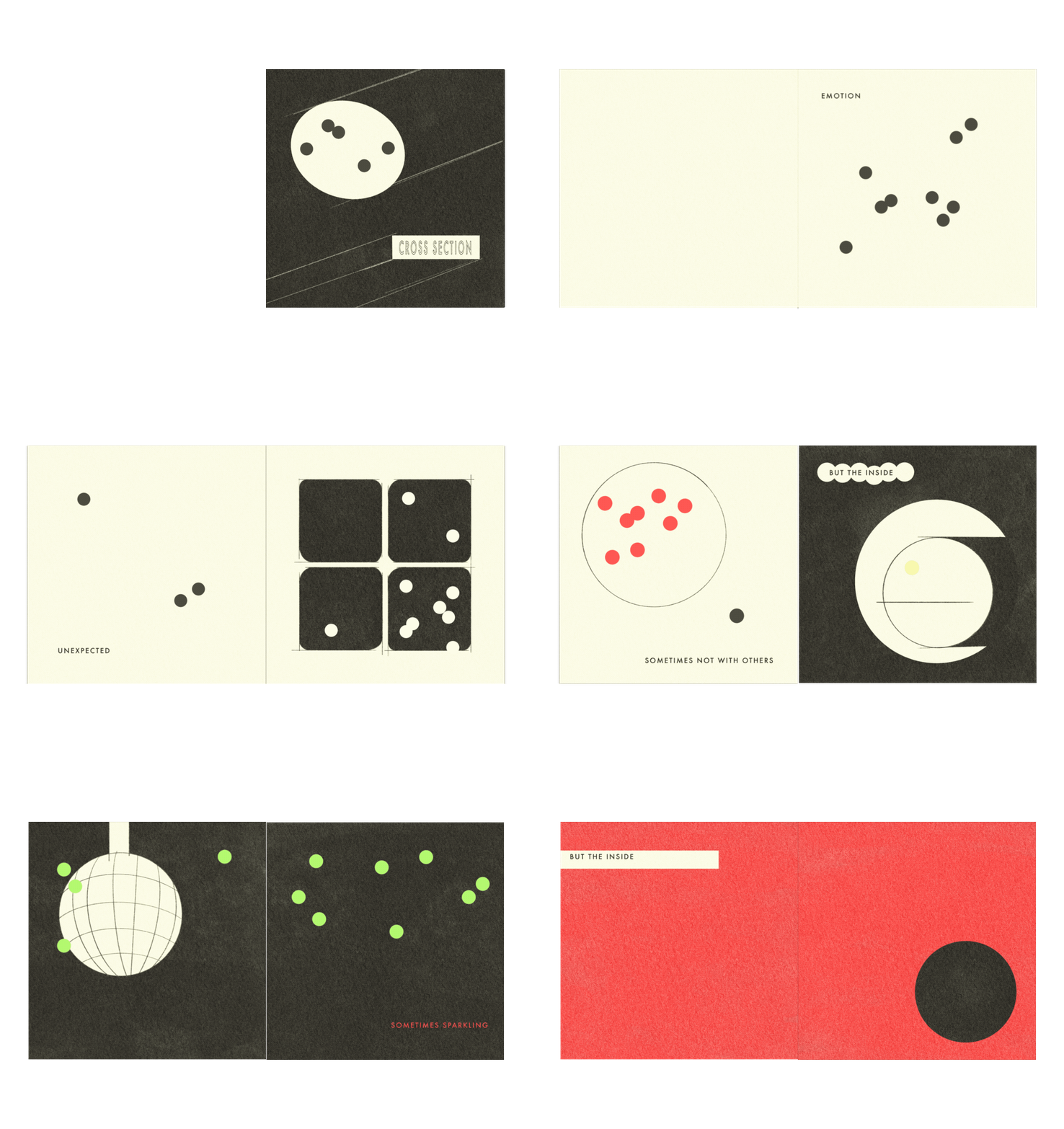
Cross-Section of Emotions

What would we see if emotions had cross-sections?
Like geological layers hidden beneath the earth’s surface, emotions may contain feelings that are not immediately visible. What appears as one emotion can hold multiple emotional states, sometimes contradictory in nature.
This zine explores the inner layers of emotional experience, imagining emotions not as singular states, but as complex structures composed of many unseen parts.

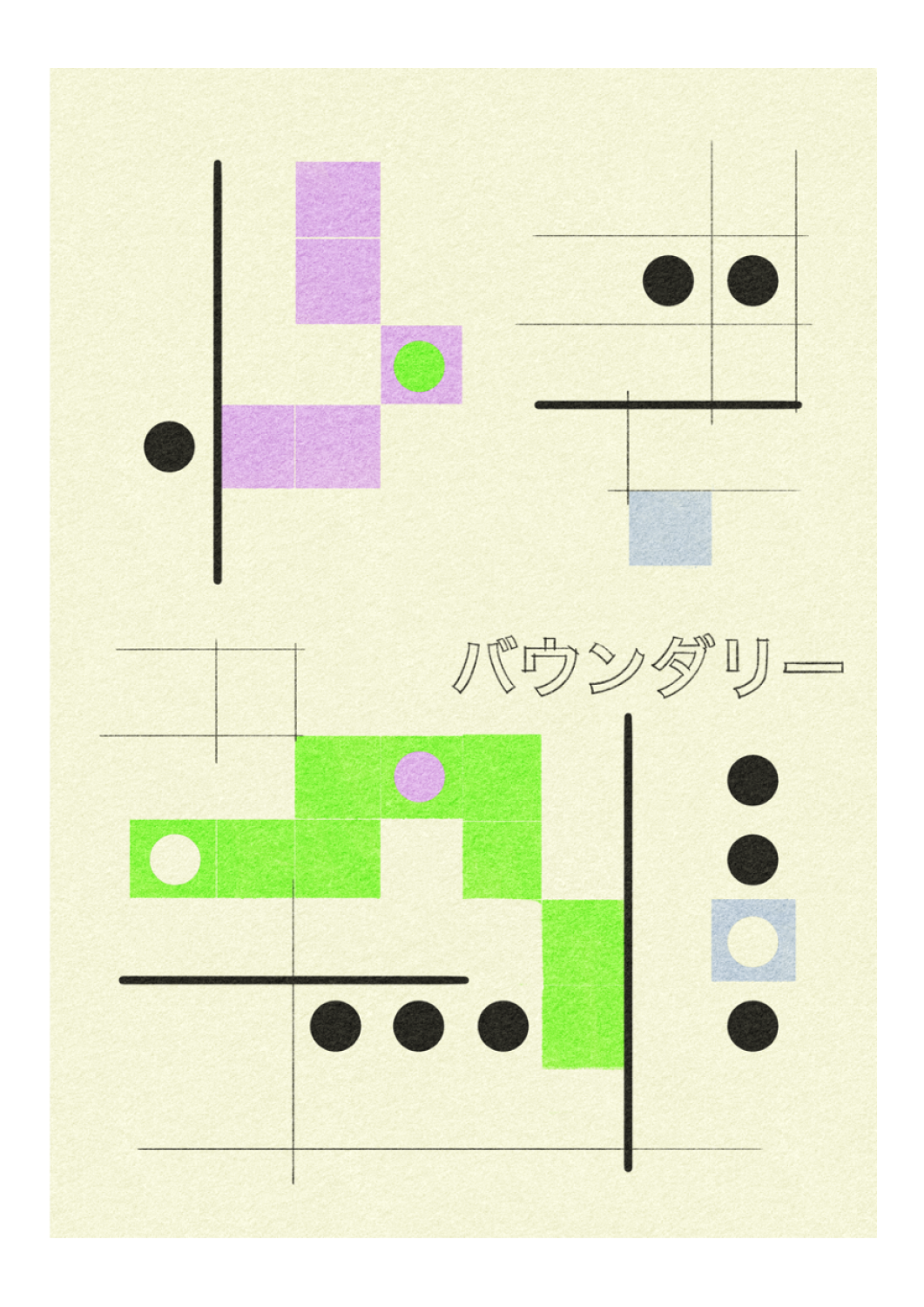
Boundary

What gives shape to a sense of self?
This work explores the role of psychological boundaries. Rather than separating people, boundaries define the space in which individuality can exist.
Without them, emotions, thoughts, and identities may become difficult to distinguish. With them, connection becomes possible without losing oneself.

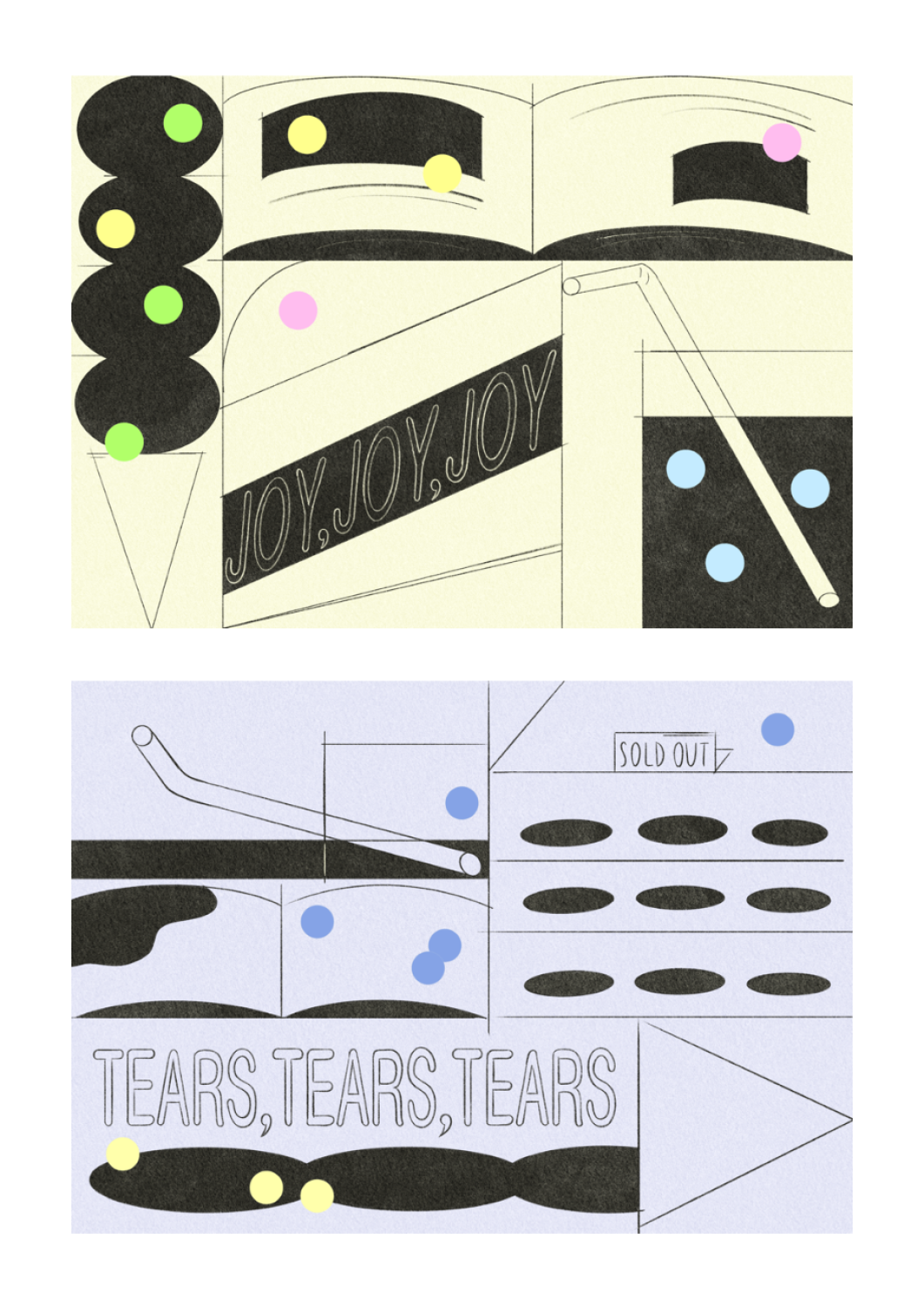
Joy, Joy, Joy / Tears, Tears, Tears

Joy and sadness do not always arrive through extraordinary events.
They often emerge from the smallest moments of everyday life—a treat, a discovery, a delay, an absence.
This work gathers fragments of these ordinary experiences, revealing how seemingly insignificant moments can leave lasting emotional impressions.

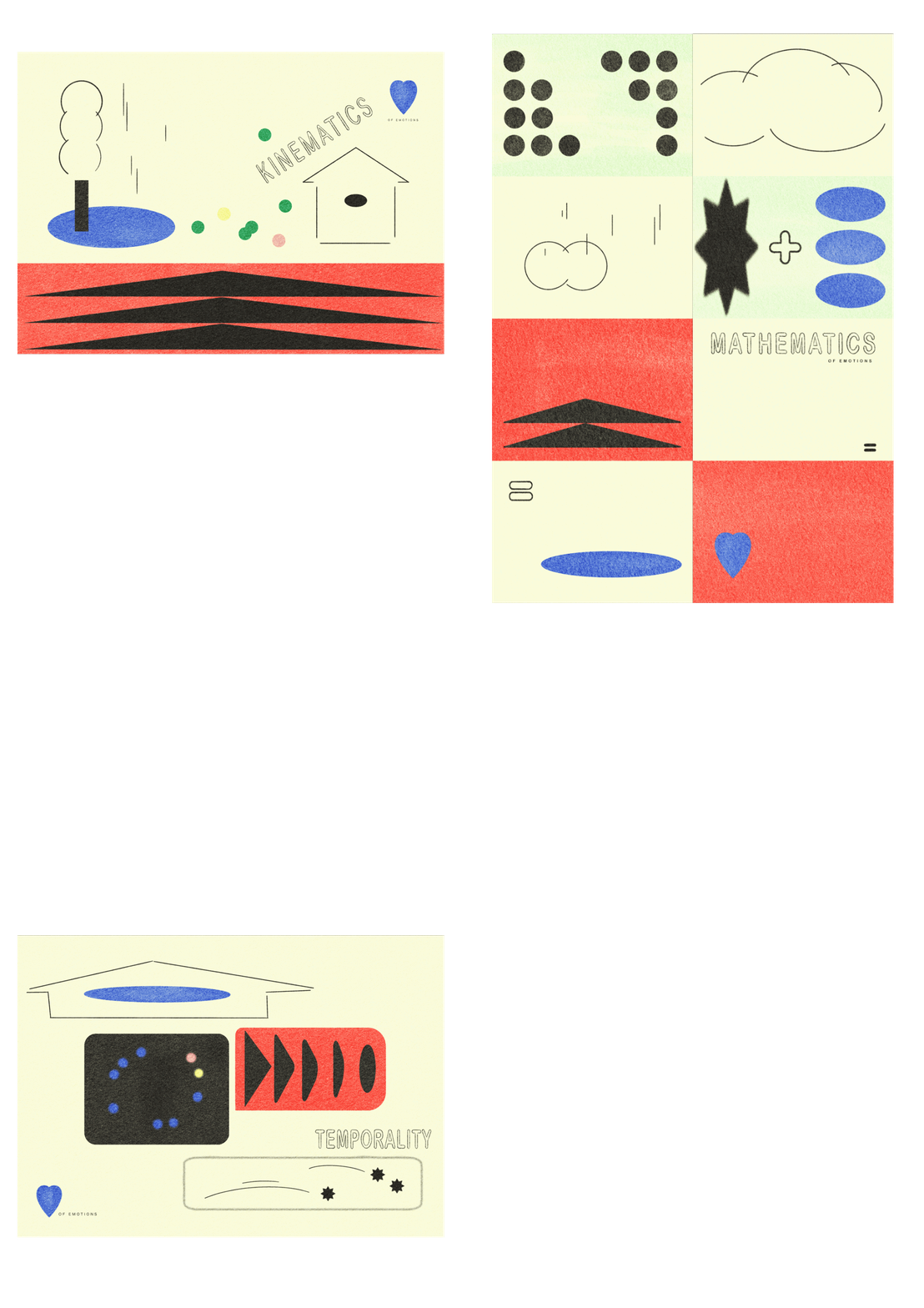
Structures of Emotion

What structures emerge when emotions are examined through the language of mathematics, time, and motion?
This work explores the possibility that emotions are more than momentary feelings. They move, accumulate, transform, and interact according to patterns that are often invisible to us.
By reimagining emotions as subjects of inquiry, the work seeks to reveal the hidden structures that shape our inner experiences.

Primary Emotion / Secondary Emotion

What is anger trying to tell us?
Though it often appears as a powerful and visible emotion, anger may be only the surface. Beneath it can exist quieter feelings—fear, sadness, disappointment, or pain.
This work visualizes the layered nature of emotional experience, suggesting that what we express is not always where a feeling begins.

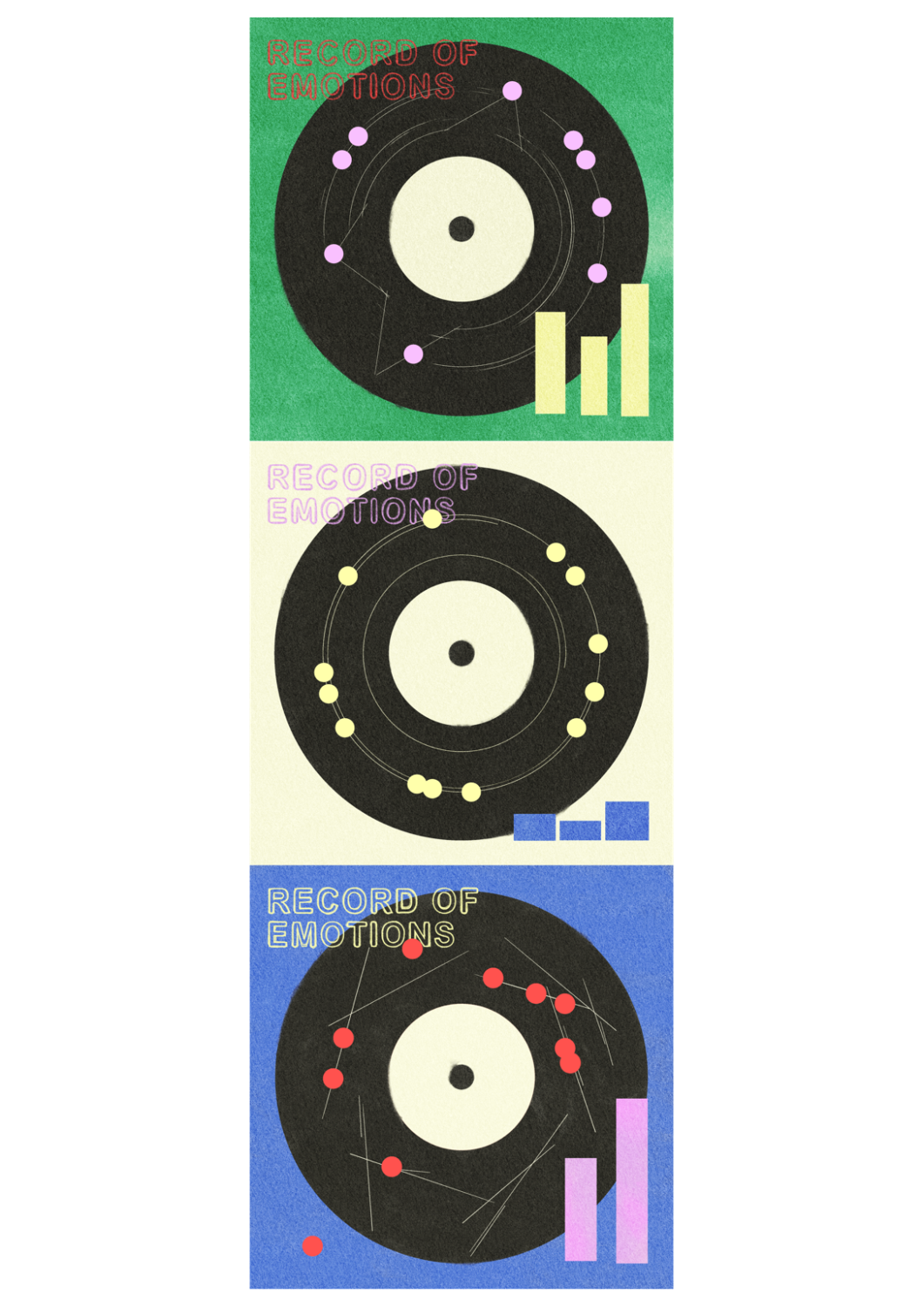
Record of Emotions

What if emotions could be played back like a record?
What if every feeling left a trace, accumulating into a unique pattern over time?
This series visualizes the imagined tracks of emotional experiences. The marks, rhythms, and densities differ from one record to another, suggesting that every emotional life forms its own composition.

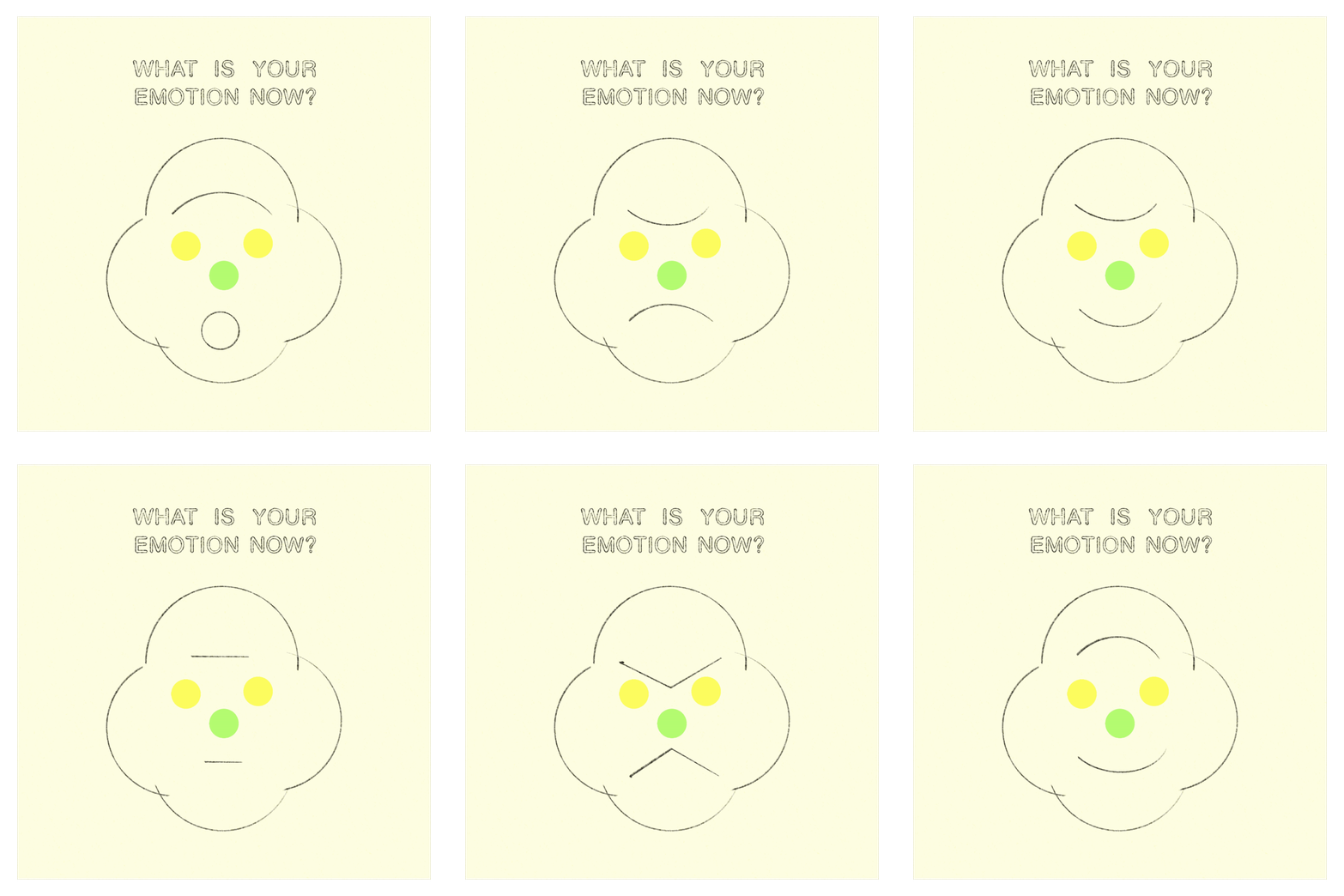
What Is Your Emotion Now?

How do we recognize an emotion?
In this work, the eyes and nose remain unchanged while the eyebrows and mouth continuously transform. With only a few shifting lines, entirely different emotional states emerge.
By reducing facial expressions to their simplest elements, the work examines the visual structures through which emotions become recognizable.

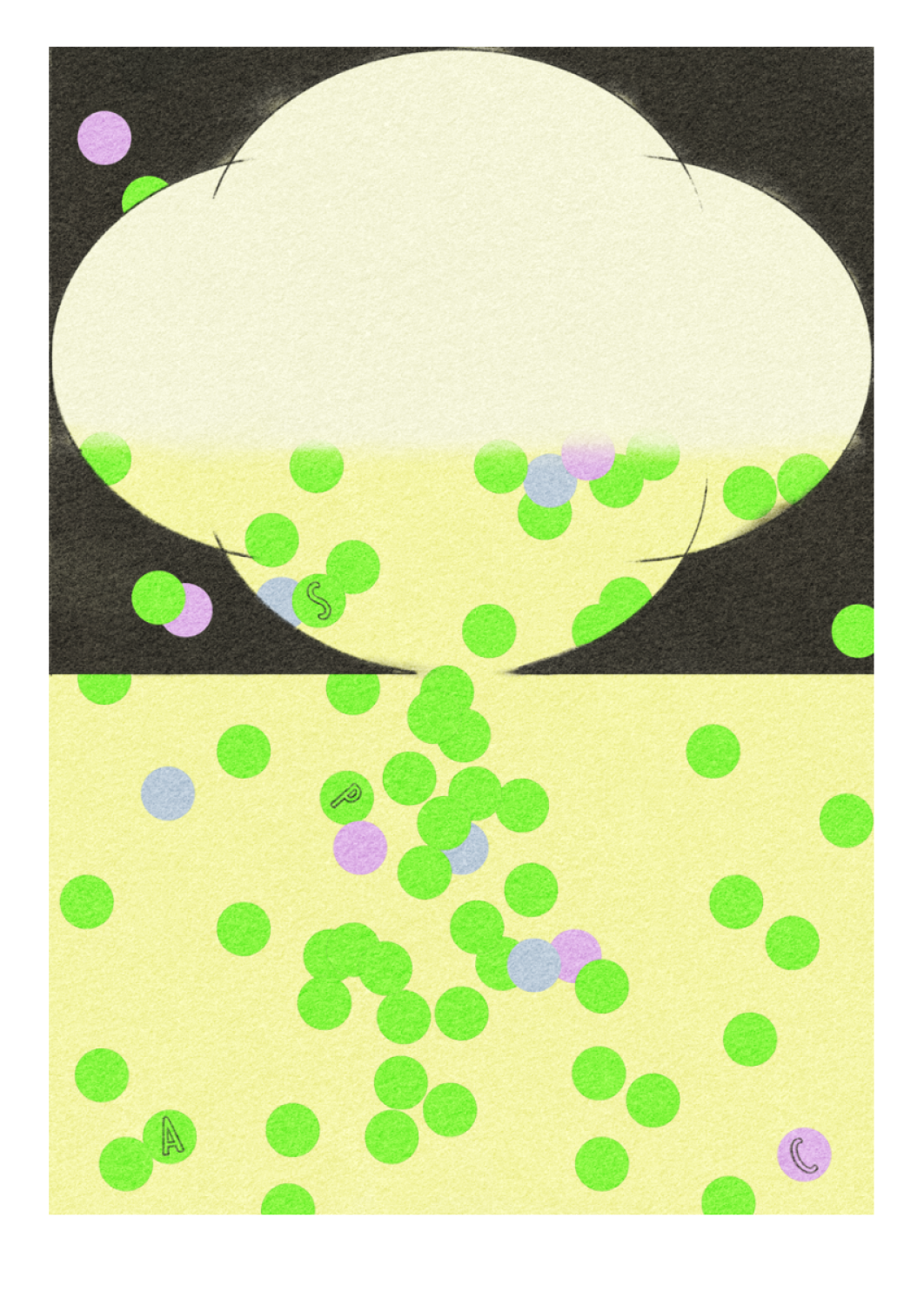
Release

What makes room for something new?
This work explores the relationship between release and space. As accumulated emotions, thoughts, and experiences are allowed to leave, a previously occupied space begins to open.
Rather than depicting loss, the work considers emptiness as a necessary condition for growth, movement, and transformation.